Skip to content

Nikon Action 10x50 vs Pentax Jupiter 10x50 (65912)

Two identical 10x50s — what actually differs?

Ten times fifty, five millimetres of exit pupil, on both. Every figure that a 10x50 is normally chosen by is the same here, because all three are fixed by the design. What separates them is everything underneath, and one of the two says almost nothing.

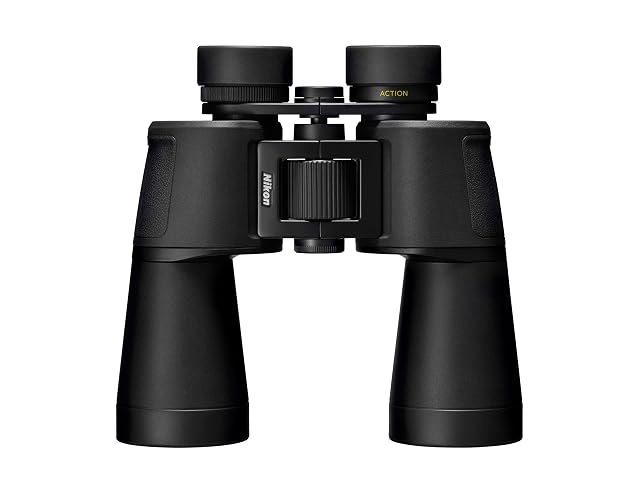
Nikon Action 10x50 porro prism binocular

Nikon Action 10x50

Wins 1 of 8

Check price

≈ £129 / €115

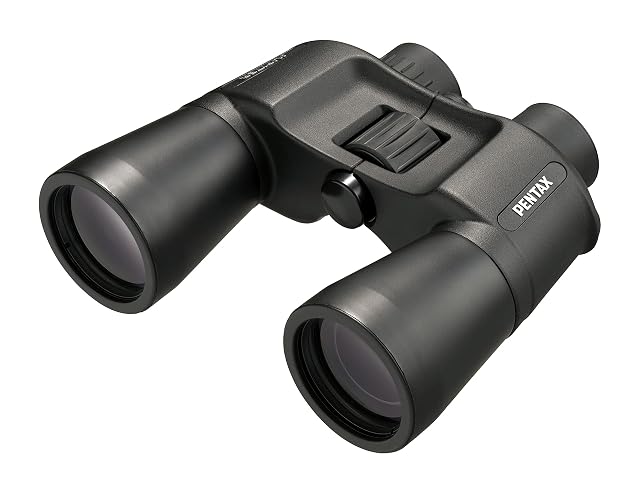
Pentax Jupiter 10x50 binocular

Pentax Jupiter 10x50 (65912)

Wins 0 of 8

Check price

≈ $99 / €73

Line by line

Compared on Action 10x50 Jupiter 10x50 (65912)
Aperture 50 mm 50 mm
Magnification 10x, fixed by the design 10x, fixed by the design
Exit pupil 5 mm — 50 divided by 10 5 mm — 50 divided by 10
True field of view The listing does not carry it The listing does not carry it
Prism type and coatings Not published by the maker. The listing does not carry it
Eye relief Stated as suitable for spectacle wearers by the maker Not published by the maker.
Weight The listing does not carry it Not published by the maker.
Tripod mounting Not published by the maker. Not published by the maker.

A tick means one listing published something the other did not, or published a better figure. It does not mean the product is better, and the column is not a score out of anything: a maker who says less loses lines here without losing a comparison. The two verdicts below are where the page is settled.

Which one, for whom

Buy the Nikon Action 10x50

The one that answers a question. Saying the eyepieces suit spectacle wearers is a statement about eye relief, and eye relief is the single figure that decides whether a binocular is usable with glasses on. It is not a number, but it is more than the alternative offers.

Buy the Pentax Jupiter 10x50 (65912)

The one with a single specification line. Ten by fifty, and nothing else — no prism type, no coatings, no field of view, no weight. On a shelf where the headline figures are fixed by arithmetic, a listing that adds nothing to them leaves nothing to compare.

What observers ask about these two

Why is the exit pupil the same on both?

Because it is aperture divided by magnification, and both are 50 divided by 10. It is not a maker’s choice on a fixed binocular — it follows from the two numbers in the name.

Does a 5 mm exit pupil suit a dark sky?

It matches a dark-adapted pupil reasonably well for most adults. A larger exit pupil wastes light that the eye cannot accept; a much smaller one dims the view.

Should a 10x50 be held or mounted?

Ten times magnifies hand tremor as well as the sky. Most observers can hold a 10x50 for short looks and see noticeably more with it braced or on a tripod. Neither listing here says whether a tripod thread is fitted.

The full reviews

Any figure written into the body of this page was true on the day it was written. The amount shown next to each instrument is requested from the retailer as the page loads, and it is that amount, not the text, that stands.