The part that decides whether pointing is a pleasure
The best finder scopes for 2026
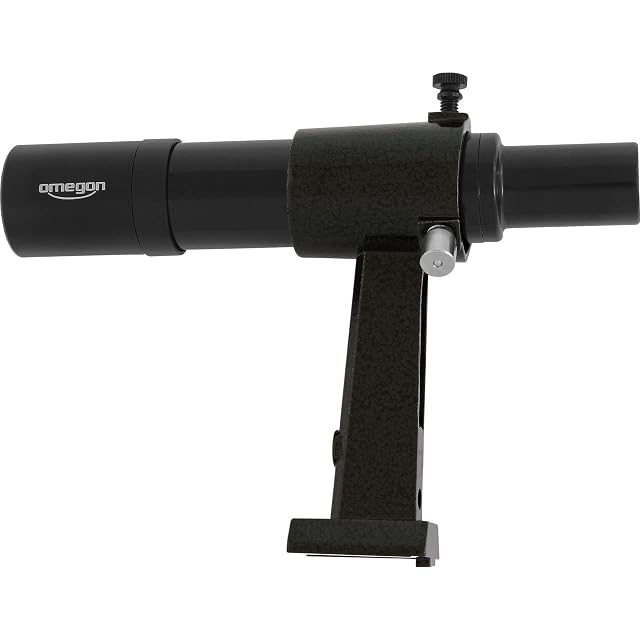
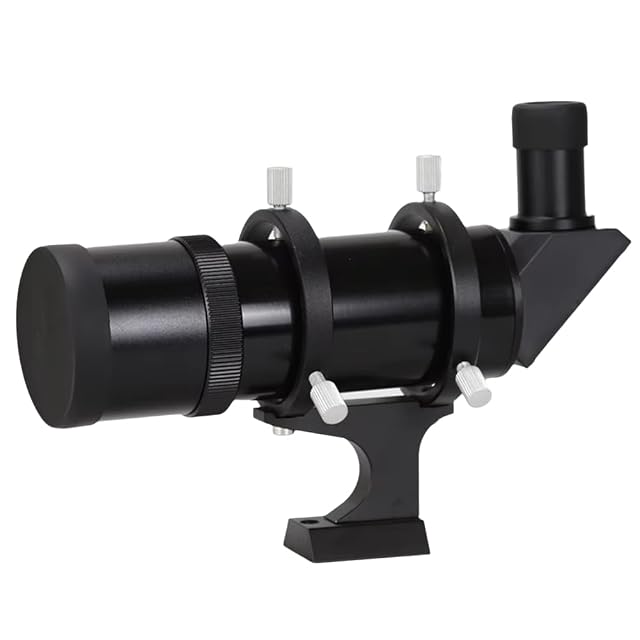
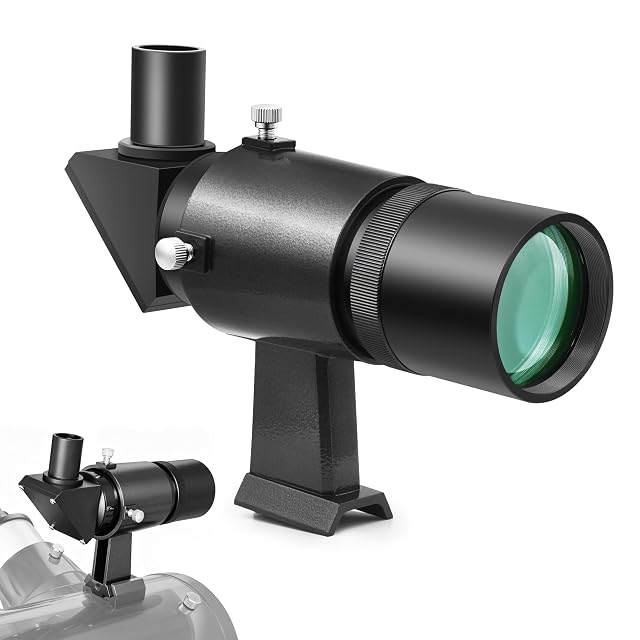
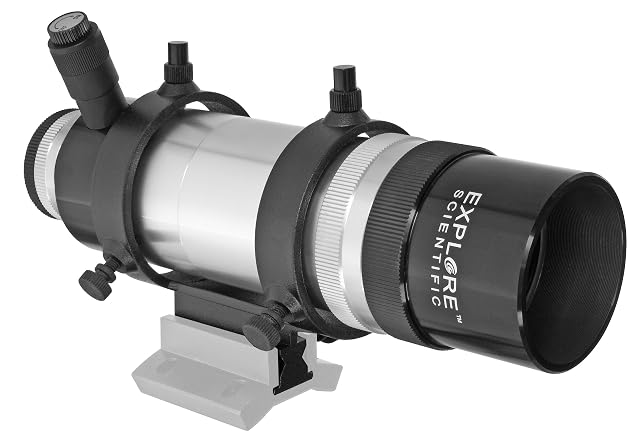
A telescope at ordinary magnification shows a patch of sky smaller than the Moon, and finding anything in it by eye alone is a slow business. The finder is what closes that gap, and it is the accessory most often supplied badly and replaced first. An optical finder — the small refractor with crosshairs — magnifies a few times and shows stars too faint for the naked eye, which is what makes star-hopping possible: the observer walks from a bright star to a faint one across a chart. Its drawback is image orientation. A straight-through finder inverts the view, an angled one with a prism may mirror it, and matching either to a printed chart takes practice that nobody enjoys acquiring at midnight. The true field of view is the specification that decides usefulness: a wide field contains enough recognisable stars to locate the pattern, a narrow one shows a handful of anonymous points. Read the bracket, because finder shoes are not standardised and a finder that does not fit the tube is a paperweight; a bracket with two adjustment points holds alignment better than one with three that fight each other. An illuminated reticle earns its place on a dark sky, where plain crosshairs disappear. Eye relief decides whether spectacles stay on. We compare aperture, magnification, true field of view, image orientation, bracket fitting, reticle illumination and eye relief.