Skip to content

Star-hopping, and the tools that shorten it

Finding things is the skill that decides how much an evening contains. It is learned with three items — a wide-field eyepiece, a finder and a chart — and shortened, not replaced, by anything computerised.

Start at the lowest power you have

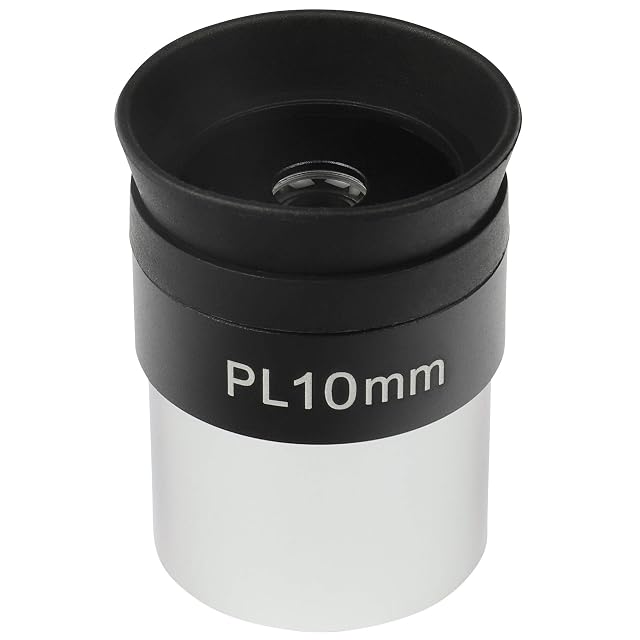
The widest true field is the largest net. Anything found at 25 mm can be examined at 6 mm afterwards; nothing found at 6 mm was found quickly.

The finder is the bridge

The naked eye sees several degrees, the telescope at 100x sees well under one. A finder sits between them, and a finder that is uncomfortable to use is why some telescopes are only ever pointed at the Moon.

Correct-image or not

A finder that shows the sky mirrored makes a printed chart hard to follow. A correct-image design removes that mental step, and the listings on this site say which they are when the maker states it.

The chart, and why paper

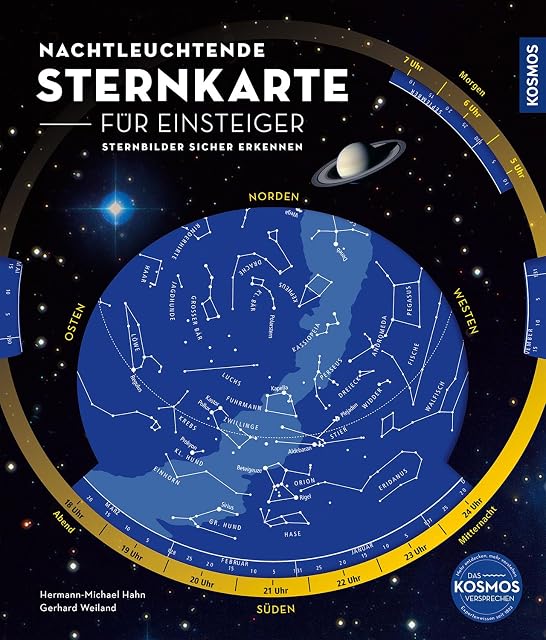
A planisphere works before the telescope comes out, has no screen to ruin dark adaptation, and shows the whole sky at once — which is the view a phone app is worst at giving.

The five, and the reason for the order

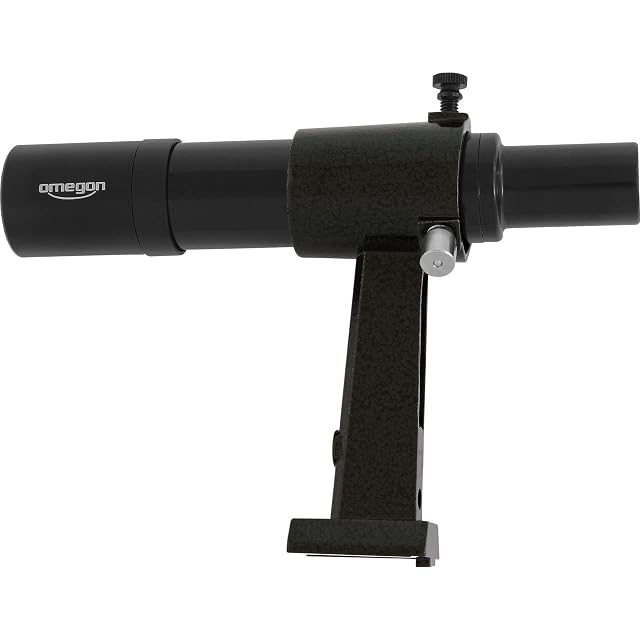
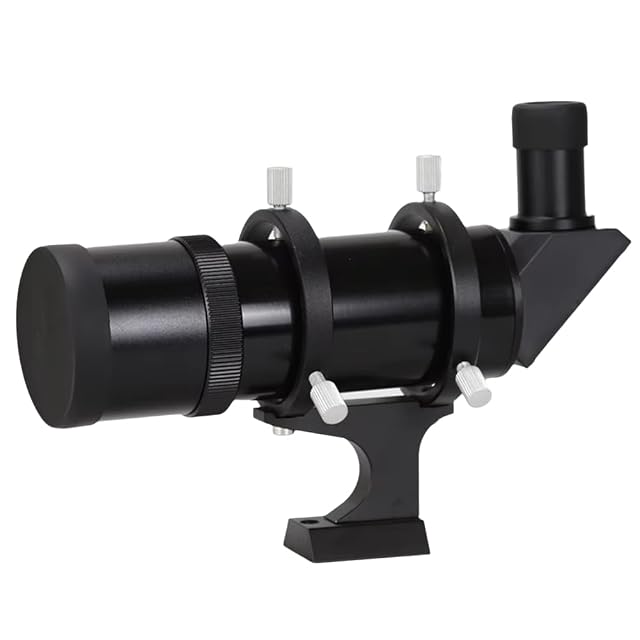
  1. Omegon 6x30 finder

    6x magnification · 30 mm objective · crosshair

    A straight-through 6x30 optical finder with a crosshair and a wide field, described by the maker as gathering eighteen times more light than the unaided eye.

    Best for: Replacing a 5x24 finder on a small telescope with something that actually shows stars

    ≈ £41 / €44
What gets asked before buying

What is star-hopping?

Moving from a bright star to a fainter target in short steps, each within the finder’s field, using a chart. It is how objects were found for four centuries and it still works when a battery does not.

Does a GoTo mount make this unnecessary?

It removes the need and not the value. An observer who can star-hop knows where things are relative to each other, which is what makes an evening into a tour rather than a list.

Straight or right-angle finder?

A straight-through finder points where it looks, which is easier to learn. A right-angle one is far more comfortable when the telescope is aimed high — and usually shows a flipped image unless it is a correct-image design.

Any figure written into the body of this page was true on the day it was written. The amount shown next to each instrument is requested from the retailer as the page loads, and it is that amount, not the text, that stands.

The tool we use ourselves

Chosen your instrument? Now do not pay over the odds.

Telescopes and mounts are discounted over and over through the year — hardest of all in the weeks before Christmas, which is exactly when most of them are bought — and a struck-through figure on its own says nothing whatever about what the same model was charged at four weeks ago. UniverTrack keeps a week-by-week record for each retailer, so a discount is measured against a figure somebody genuinely paid instead of one invented for the sale — and it says when the moment to buy has genuinely arrived.

Real price historyBuy-now alertsAI buying assistant
Try free for 14 days →
No commitment · Cancel in one click · 5 languages