A long focal length folded into a short tube
The best catadioptric telescopes for 2026
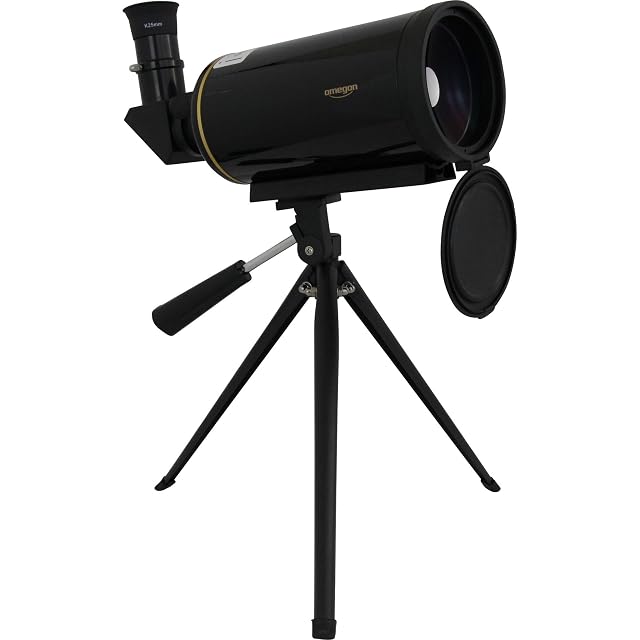
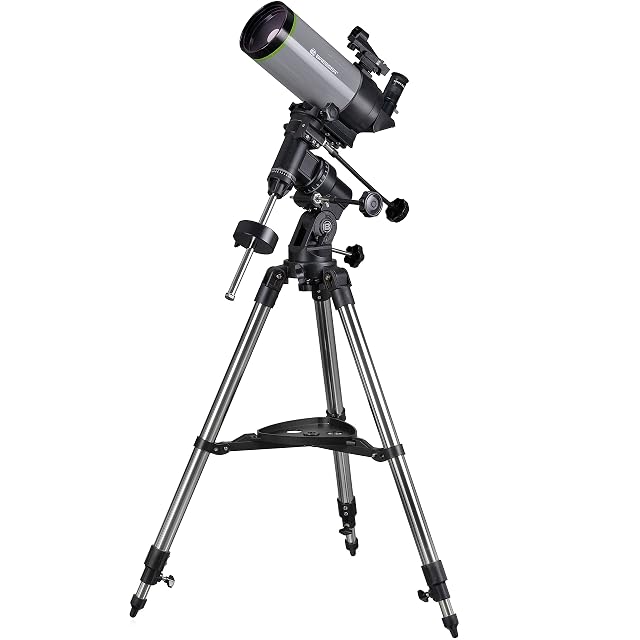
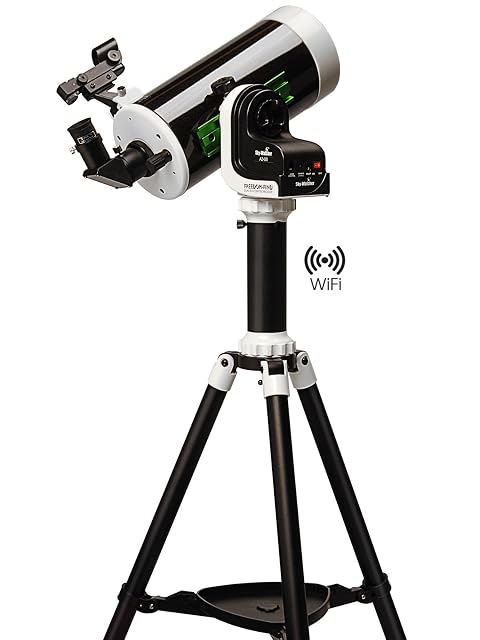
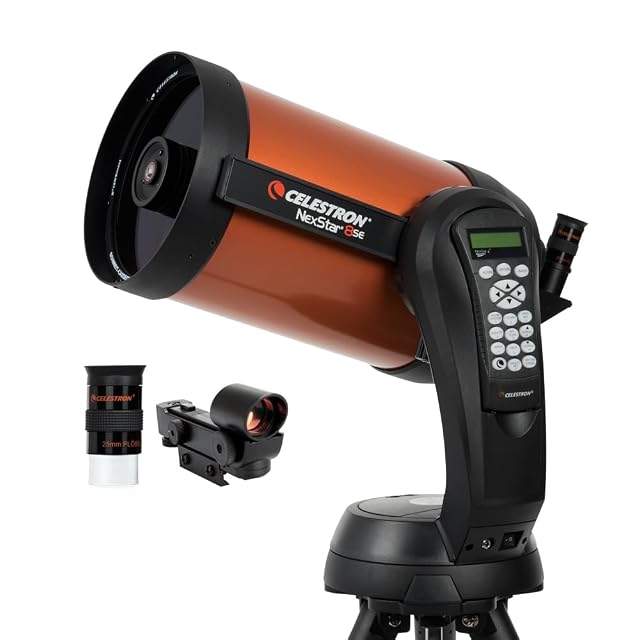
A catadioptric telescope uses a mirror and a correcting lens together, and folds the light path so that a long focal length fits inside a short tube. A Schmidt-Cassegrain or a Maksutov of two metres of focal length is barely longer than an arm, which is why these are the tubes that travel and the tubes that sit on a balcony. The long focal length makes them natural planetary and lunar instruments: high magnification comes from ordinary eyepieces rather than from extreme ones. Three properties come with the folding. Cool-down is the first and the most often ignored — a closed tube with a thick corrector holds the warmth of the house, and the image will not settle until the glass has reached the outside temperature. The second is the corrector plate itself, which faces the sky and collects dew before anything else on the instrument does. The third is back focus: the focuser works by moving the primary mirror, so the distance behind the tube where an image forms is generous, and it is what makes these tubes so adaptable to cameras, reducers and diagonals. Read which of the two designs is in front of you — a Maksutov usually carries a smaller obstruction and a slower ratio, a Schmidt-Cassegrain a larger aperture for the money. We compare aperture, folded focal length and ratio, corrector design, obstruction, back focus, cool-down guidance, tube weight and mount supplied.