It multiplies the focal length, and the eye relief survives
The best Barlow lenses for 2026
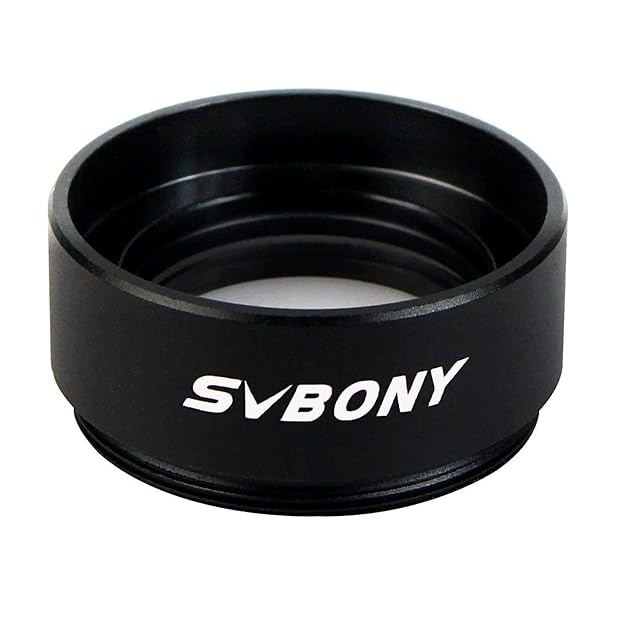
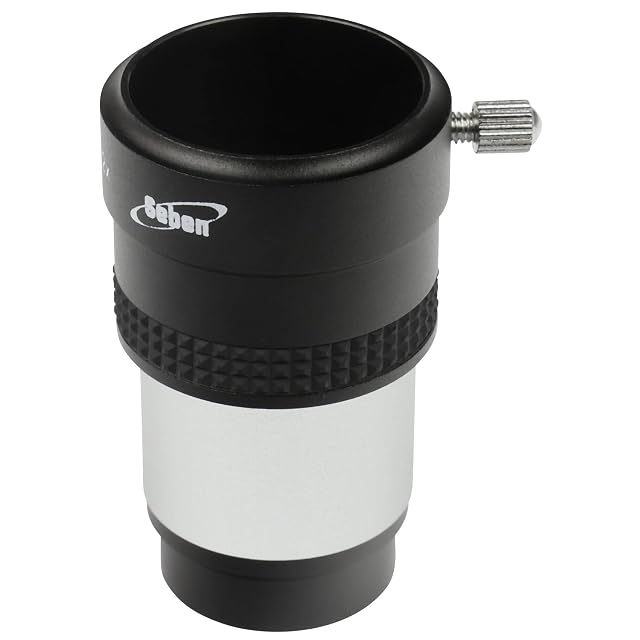
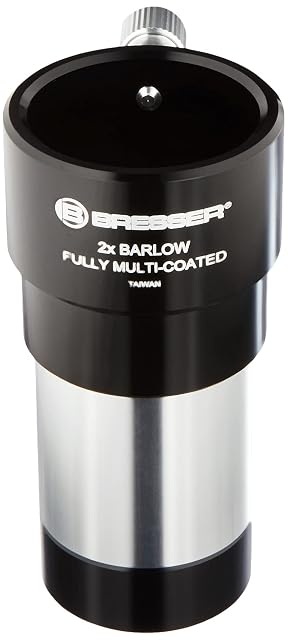
A Barlow lens sits between the focuser and the eyepiece and multiplies the effective focal length of the telescope, so that every eyepiece in the case becomes two. Its quiet advantage over simply buying shorter eyepieces is that the eye relief is preserved: a comfortable long eyepiece behind a Barlow gives a high magnification with the eye still at a workable distance, where a very short eyepiece of simple design would press the eye against the glass. The amplification factor is the headline figure, and it is worth knowing that it is not fixed — moving the Barlow further from the eyepiece, as happens when one is used ahead of a diagonal or with an extension tube, increases the multiplication beyond what is printed on the barrel. Element count separates the shelf: a two-element Barlow is cheap and adds some false colour at the edges, a three-element apochromatic design holds colour and field better and costs accordingly. A Barlow is a piece of glass in the light path of every eyepiece used behind it, so a poor one degrades a good eyepiece. Read the camera thread, since many Barlows unscrew so that the lens cell alone can be fitted directly to a camera nosepiece — a quiet, useful feature that changes the amplification. Check the barrel size and whether the unit accepts filters. We compare amplification factor, element count, barrel size, camera thread, effect on eye relief, coatings, body and weight.