Skip to content

A camera, a tripod and something that turns

A camera on a fixed tripod gives a few seconds before stars become streaks. Everything in astrophotography that does not involve a telescope is about extending those few seconds — with something that turns, and with filters that let the exposure run longer under artificial light.

The sky turns fifteen degrees an hour

That is the whole problem, and a tracker is the whole answer: a motor, or a spring, that turns the camera at the same rate in the opposite direction. Everything else in this guide exists to make that turning accurate.

Mechanical or motorised

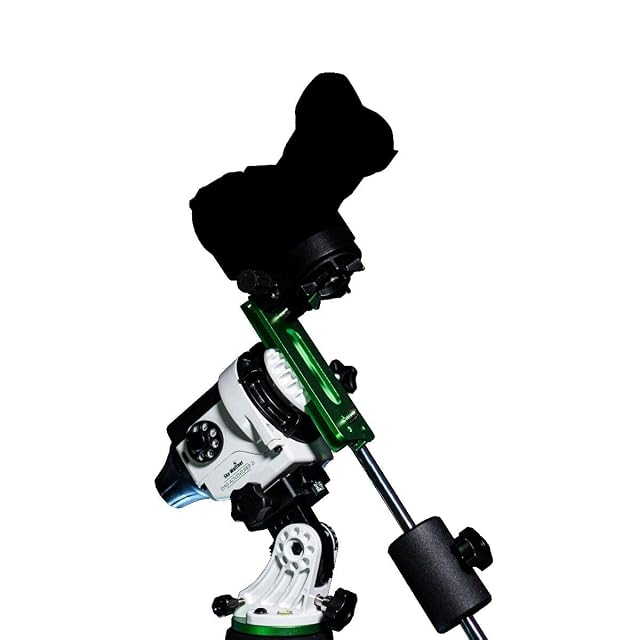
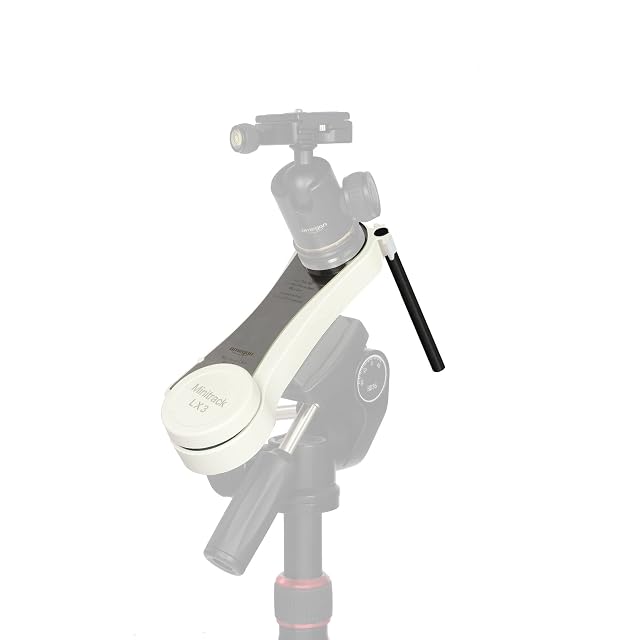
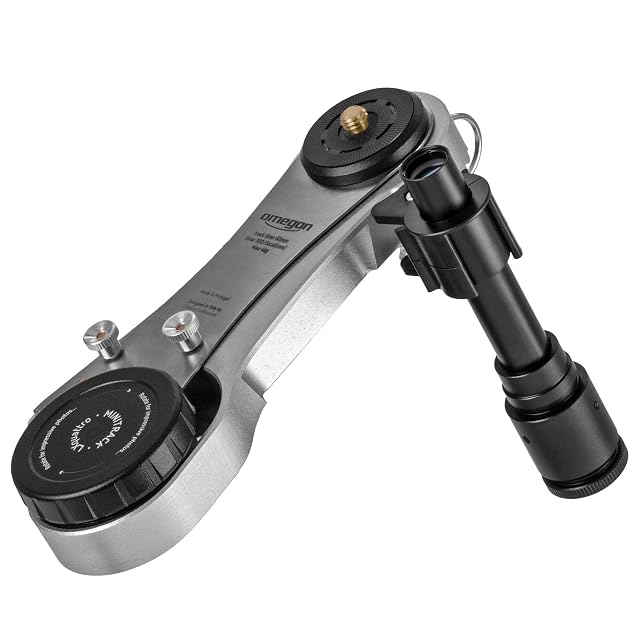
A motorised tracker offers programmable rates and a shutter interface; a spring-driven one runs in the cold and never goes flat. Both appear on this site, and the listings publish opposite halves of their specifications.

Payload is the limiting figure

Everything above the mount counts: body, lens, ball head. A tracker rated to four kilograms is not rated for a four-kilogram lens.

What a filter cannot do

It cannot remove light that shares the spectrum of the subject. Against sodium lighting a narrow filter helps considerably; against white LED lighting, which is broadband, there is much less to cut out without cutting the stars too.

The five, and the reason for the order

What gets asked before buying

How long can I expose without a tracker?

It depends on the lens: a wide lens tolerates longer than a telephoto, because a star crosses fewer pixels in the same time. Seconds rather than minutes, in every case.

What does polar alignment actually do?

It points the tracker’s rotation axis at the celestial pole, so its turning matches the sky’s. The closer the match, the longer an exposure can run before stars trail.

Does a light pollution filter help with photography?

It attenuates a narrow region of the spectrum where certain street lighting sits, which lets an exposure run longer before the sky itself washes the frame out. It does nothing about broadband white LED lighting.

Any figure written into the body of this page was true on the day it was written. The amount shown next to each instrument is requested from the retailer as the page loads, and it is that amount, not the text, that stands.

The tool we use ourselves

Chosen your instrument? Now do not pay over the odds.

Telescopes and mounts are discounted over and over through the year — hardest of all in the weeks before Christmas, which is exactly when most of them are bought — and a struck-through figure on its own says nothing whatever about what the same model was charged at four weeks ago. UniverTrack keeps a week-by-week record for each retailer, so a discount is measured against a figure somebody genuinely paid instead of one invented for the sale — and it says when the moment to buy has genuinely arrived.

Real price historyBuy-now alertsAI buying assistant
Try free for 14 days →
No commitment · Cancel in one click · 5 languages