Skip to content

Reading an eclipse listing

This guide does not tell anyone that an observation is safe. It explains what appears in these listings — the standard number, the body that notified it, the laboratory named, the authentication code — so that a reader can see what is claimed and by whom. The instructions supplied with the product govern its use, and they are the authority.

The standard number is a citation, not a verdict

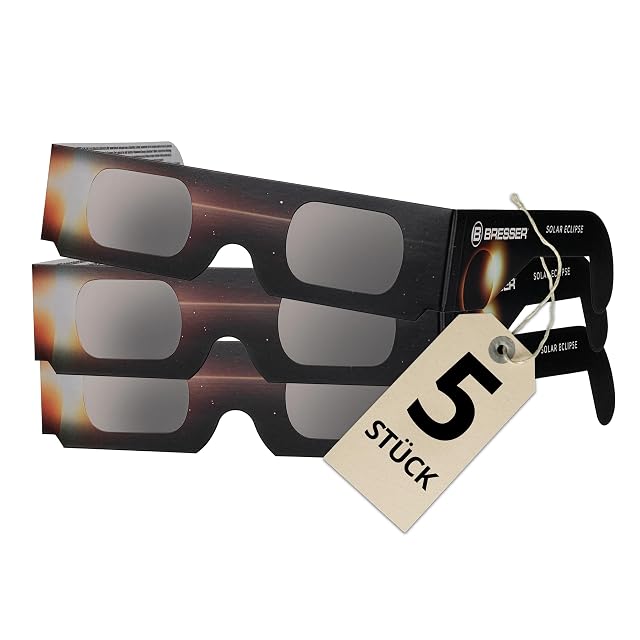
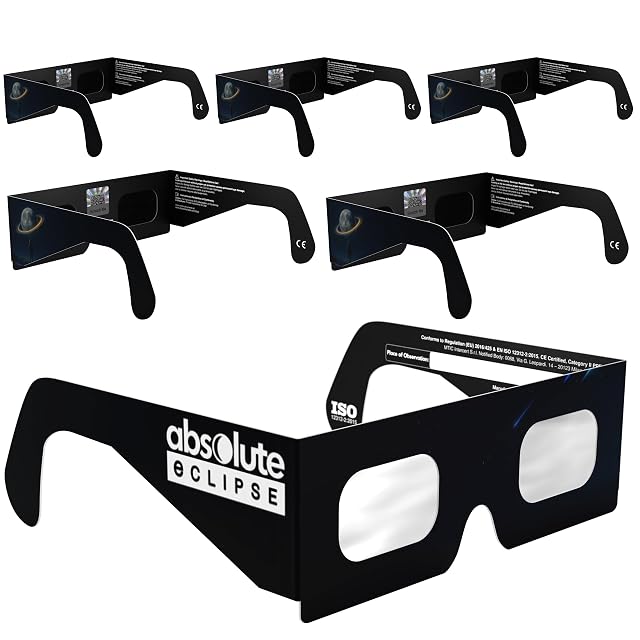
A listing that prints a standard number is telling you which document it claims to meet. This site records the number as printed — including where a listing prints it two different ways, which happens on one of the products here.

Who assessed it

Some listings name a notified body with its number, some name a testing laboratory, some name neither and simply state a country of manufacture. These are different kinds of claim and this site keeps them distinct rather than summarising them as “certified”.

The unaided eye, and the instrument

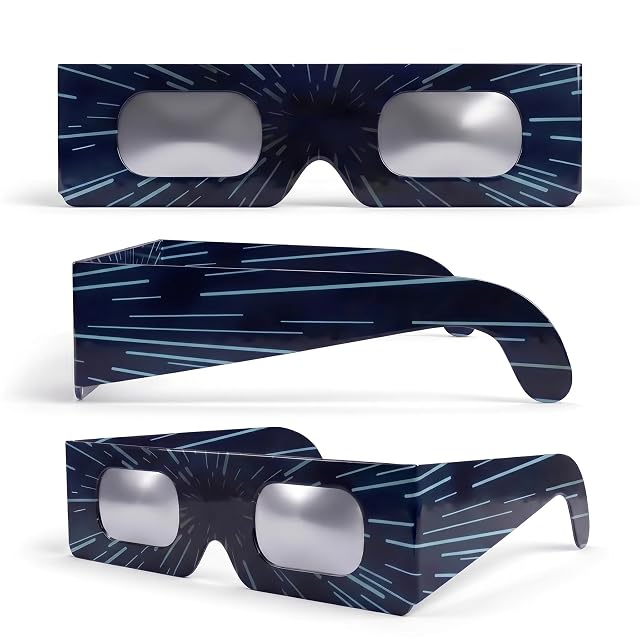
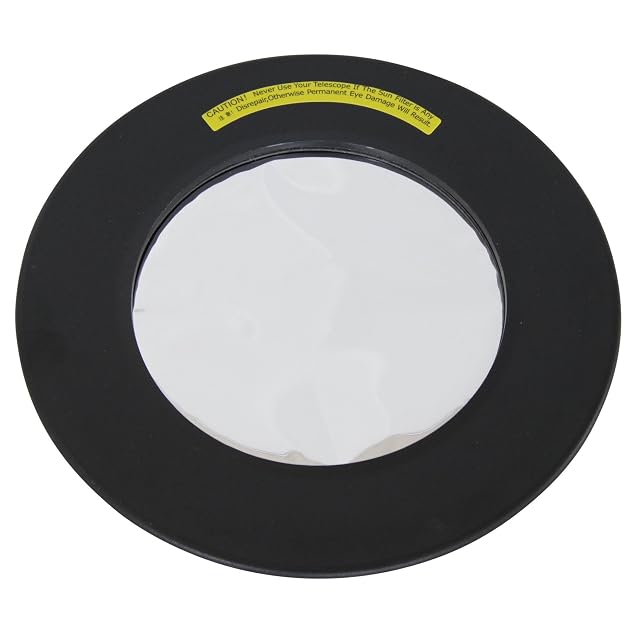
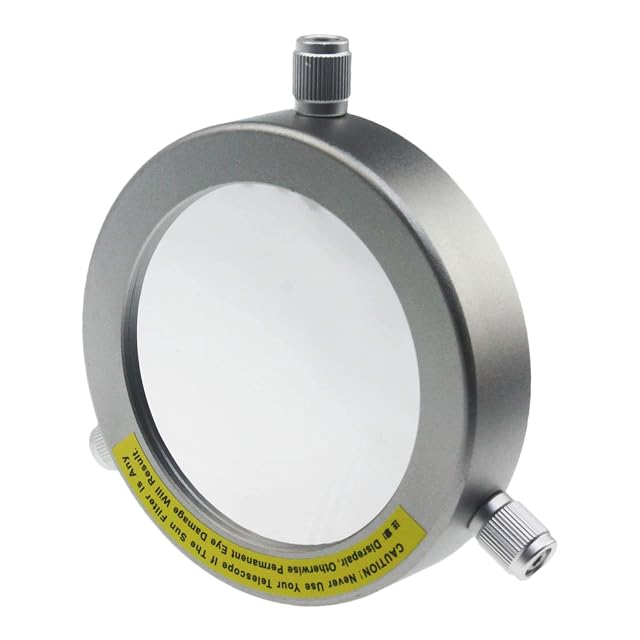
The title of ISO 12312-2 concerns direct observation with the unaided eye. Filters made to go on a telescope are a different category of product with different requirements, and eclipse glasses are not an instrument filter. That distinction runs through every solar page on this site.

Where the answer actually is

In the instructions supplied with the product. They cover inspection before use, how the filter is fitted, and how it is stored — and no page on this site replaces them.

The five, and the reason for the order

What gets asked before buying

What does ISO 12312-2 cover?

By its own title it covers filters for direct observation of the Sun with the unaided eye. A filter used with an instrument is a separate category, and a listing that cites this standard is not making a claim about instrument use.

What is a notified body number?

A four-digit number identifying the organisation that assessed the product under European personal protective equipment rules. It identifies who assessed it; this site reports it as published and does not verify it.

Does this site say any of these are safe?

No. It reports what each maker publishes and refers to the instructions supplied with the product, which govern inspection before use, fitting and storage.

Any figure written into the body of this page was true on the day it was written. The amount shown next to each instrument is requested from the retailer as the page loads, and it is that amount, not the text, that stands.

The tool we use ourselves

Chosen your instrument? Now do not pay over the odds.

Telescopes and mounts are discounted over and over through the year — hardest of all in the weeks before Christmas, which is exactly when most of them are bought — and a struck-through figure on its own says nothing whatever about what the same model was charged at four weeks ago. UniverTrack keeps a week-by-week record for each retailer, so a discount is measured against a figure somebody genuinely paid instead of one invented for the sale — and it says when the moment to buy has genuinely arrived.

Real price historyBuy-now alertsAI buying assistant
Try free for 14 days →
No commitment · Cancel in one click · 5 languages