Skip to content

Four causes, in the order to check them

A soft image is blamed on the optics far more often than the optics deserve. Four things cause it, and they can be separated in about ten minutes — starting with the two that cost nothing.

First: is the air steady

Look at a bright star at high magnification. If it boils, the night is the problem and nothing in the garage will fix it. This is the commonest cause and the one most often mistaken for a fault.

Second: has the telescope cooled

A tube brought from a warm house carries its own turbulence. Give it time outside before concluding anything.

Third: is it collimated

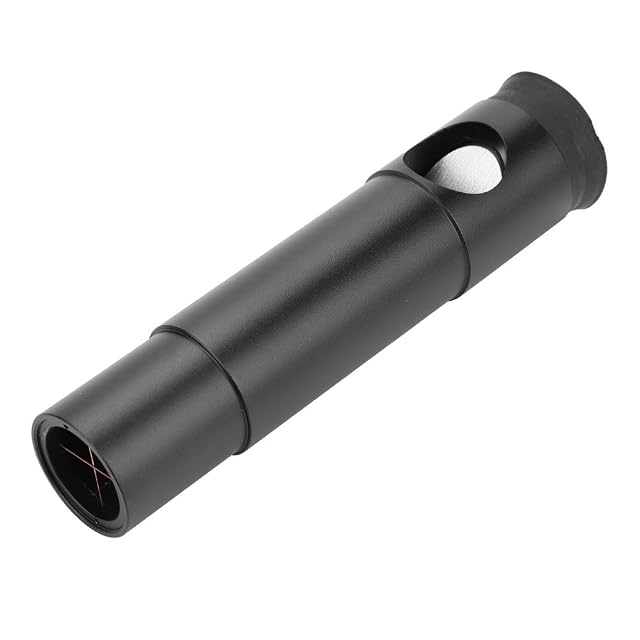
Defocus a star. The rings should be concentric. If they are not, the mirrors need adjusting, and a collimator is the tool — a sighting tube for the secondary, a laser for the primary, and a laser that can itself be adjusted in its housing for trusting either.

Fourth: is it in focus

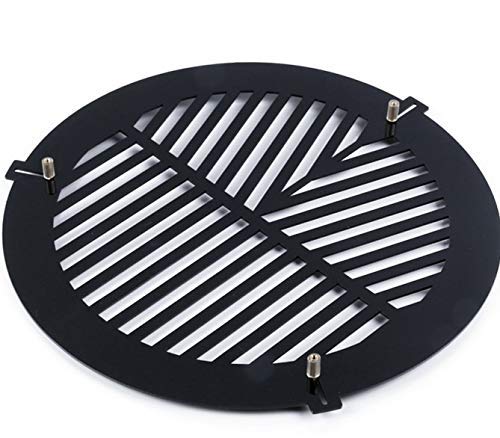
Exact focus is a narrower band than most observers expect, particularly at high magnification. A diffraction mask makes the point unambiguous and costs less than any collimator.

The five, and the reason for the order

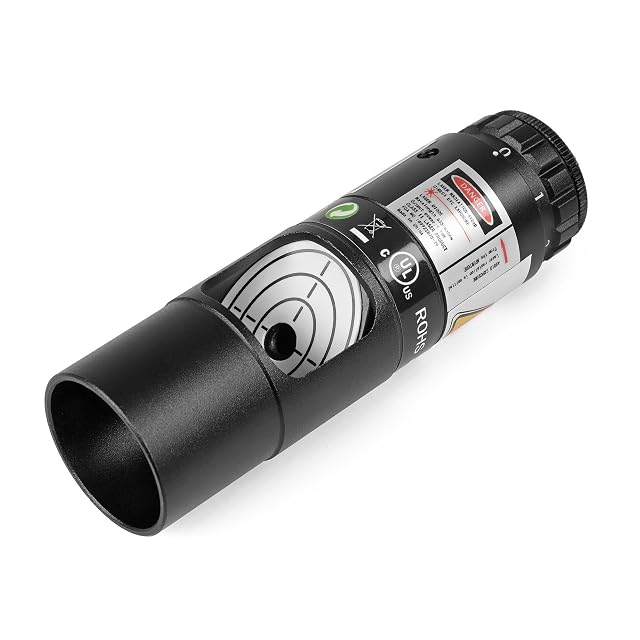
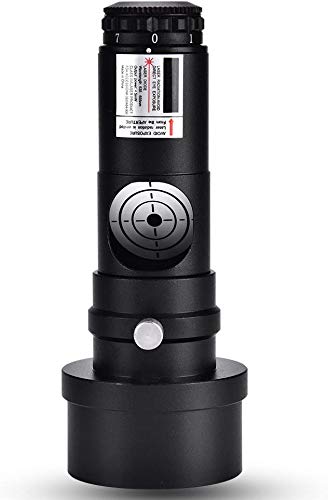
  1. Seben LK1 laser collimator

    1.25 in laser · metal housing · no laser figures published

    A 1.25 in laser collimator in a metal housing for aligning Newtonian reflectors, with no wavelength, power or adjustment detail published.

    Best for: A first collimator where price decides and the tool will be checked on arrival

    ≈ £26 / €29

What gets asked before buying

What is seeing?

The steadiness of the atmosphere. On a poor night stars boil and no telescope resolves fine detail; on a good night a modest instrument outperforms a large one from the night before. It is the cause that cannot be bought away.

How long does cool-down take?

Longer for larger and more enclosed tubes. Until the optics reach the outside temperature, air currents inside the tube smear the image — and nothing else will look right until they have.

How do I know it is collimation and not focus?

Defocus a bright star slightly at high power. Concentric rings mean the alignment is fine and focus was the problem; a lopsided pattern means the mirrors need adjusting.

Any figure written into the body of this page was true on the day it was written. The amount shown next to each instrument is requested from the retailer as the page loads, and it is that amount, not the text, that stands.

The tool we use ourselves

Chosen your instrument? Now do not pay over the odds.

Telescopes and mounts are discounted over and over through the year — hardest of all in the weeks before Christmas, which is exactly when most of them are bought — and a struck-through figure on its own says nothing whatever about what the same model was charged at four weeks ago. UniverTrack keeps a week-by-week record for each retailer, so a discount is measured against a figure somebody genuinely paid instead of one invented for the sale — and it says when the moment to buy has genuinely arrived.

Real price historyBuy-now alertsAI buying assistant
Try free for 14 days →
No commitment · Cancel in one click · 5 languages