Skip to content

The child’s telescope that survives the second night

The failure is almost never boredom. It is a tripod that will not hold the Moon still while a child tries to look, or twenty minutes of assembly before anything is seen at all. These are read on assembly effort, mount steadiness and what the first target is likely to be.

Assembly is the first obstacle

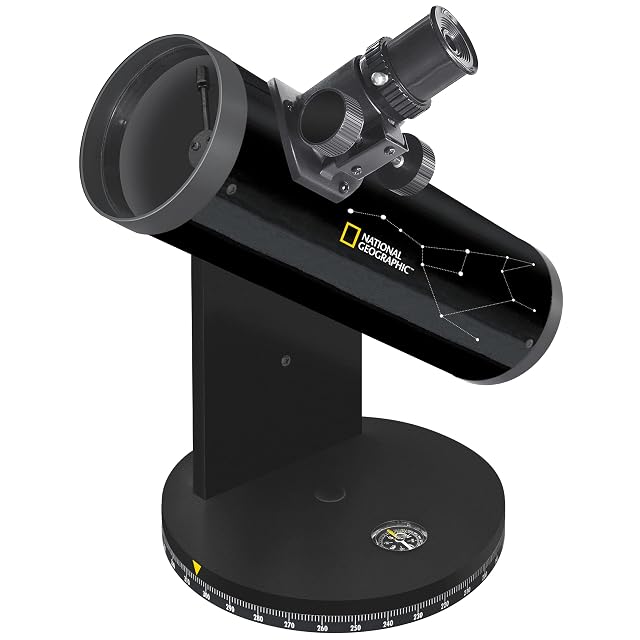
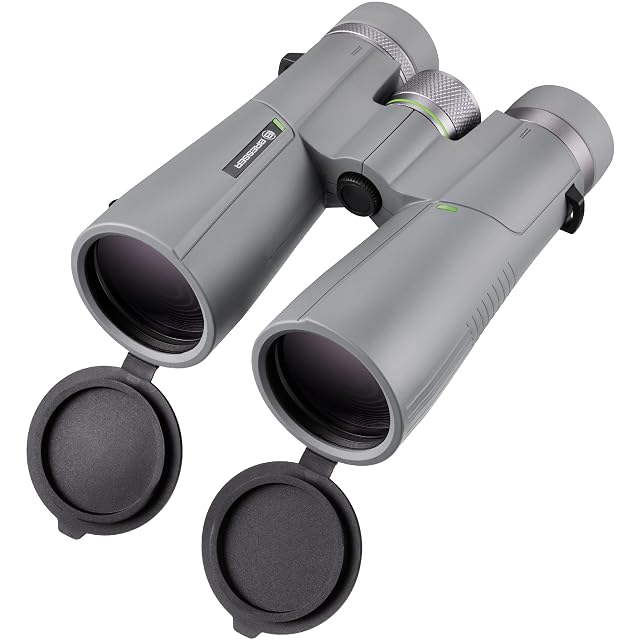
A telescope that takes twenty minutes to put together will be set up once. The instruments that survive are the ones that come out of a bag and work, which is why a tabletop Dobsonian and a pair of binoculars both appear on this list.

Steadiness, not magnification

A child cannot hold their head still against a shaking eyepiece. The image moving is what makes a telescope feel broken, and it is nearly always the mount rather than the optics.

A chart is part of the instrument

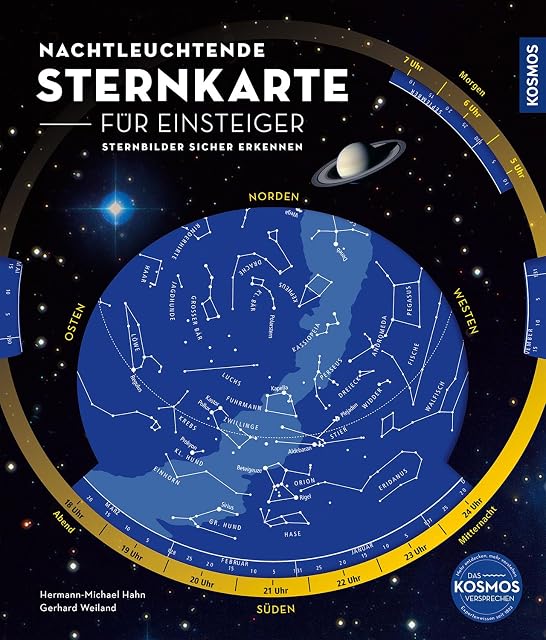
Knowing where to point is half the evening. A planisphere is the cheapest item here and the one most likely to be used every time, because it works before the telescope comes out and after it goes away.

What the listings do not decide

Whether an adult is there. Every instrument on this list works better with someone who has already found the Moon once, and none of them compensates for nobody having done so.

The five, and the reason for the order

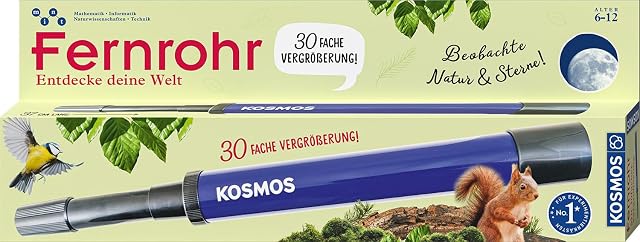
  1. Kosmos Fernrohr

    30x fixed magnification · metal tube · from age 8

    A fixed 30x spyglass-style telescope in a metal tube, sold as an experiment set for children from eight with an instruction booklet explaining how a refractor works.

    Best for: A child who wants something to carry on a walk and look at the Moon with

    ≈ £20 / €18

What gets asked before buying

What age is a first telescope for?

Makers state their own recommendations and this site reports them rather than setting one. What matters more than the age is whether an adult will be there for the first half-hour.

Should the first instrument be binoculars?

Often, yes. A pair of binoculars needs no setup, shows the Moon and the brighter clusters immediately, and is useful in daylight — which means it is picked up again.

What should the first target be?

The Moon, near first quarter, where the shadows along the terminator make the craters obvious. It is bright, it is easy to find, and it looks like something on the first try.

Any figure written into the body of this page was true on the day it was written. The amount shown next to each instrument is requested from the retailer as the page loads, and it is that amount, not the text, that stands.

The tool we use ourselves

Chosen your instrument? Now do not pay over the odds.

Telescopes and mounts are discounted over and over through the year — hardest of all in the weeks before Christmas, which is exactly when most of them are bought — and a struck-through figure on its own says nothing whatever about what the same model was charged at four weeks ago. UniverTrack keeps a week-by-week record for each retailer, so a discount is measured against a figure somebody genuinely paid instead of one invented for the sale — and it says when the moment to buy has genuinely arrived.

Real price historyBuy-now alertsAI buying assistant
Try free for 14 days →
No commitment · Cancel in one click · 5 languages