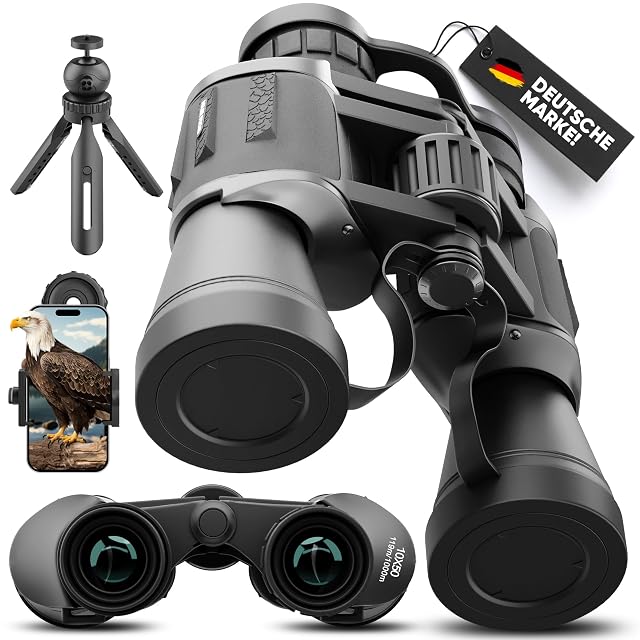
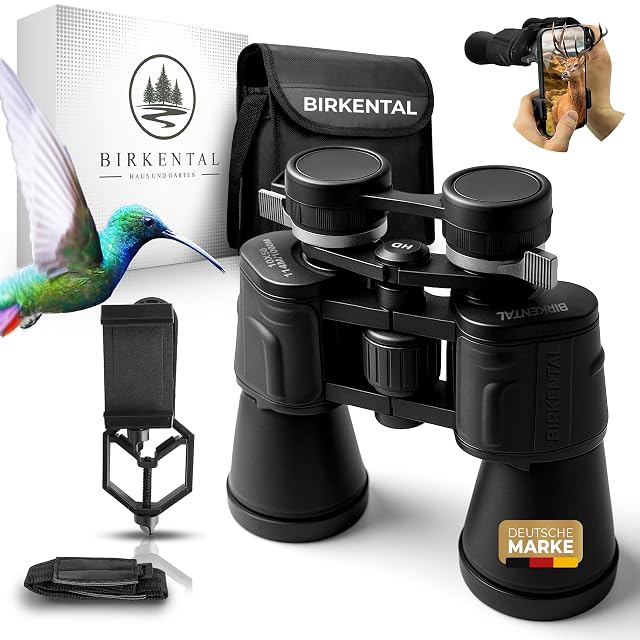
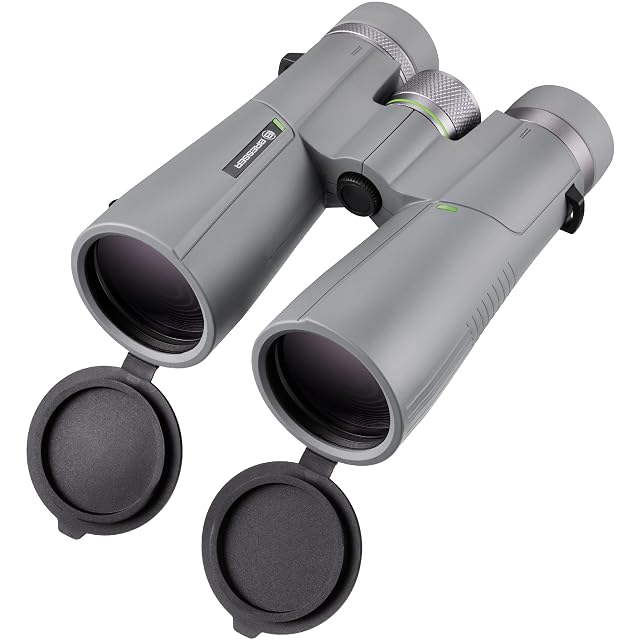
The bottom line A higher-magnification 50 mm that gives up some of its light advantage to the arithmetic of the exit pupil.
The arithmetic of twelve times
Fifty millimetres divided by twelve gives a 4.2 mm exit pupil. A dark-adapted adult eye opens wider than that, so some of what these objectives collect never reaches the retina. Against the 12x42 pairs nearby, this is still the brighter choice; against a 10x50, it is not.
Where higher magnification does help
A darker sky background. On a double star or a small cluster, twelve times separates what ten leaves blended — provided the view is steady enough to see it, which brings the discussion back to holding.
The prism figure
Eighteen millimetres, published. Prism size decides whether the full light cone from the objective gets through without being clipped, and it is almost never stated. Whether it is adequate here cannot be determined from the listing alone, but the number being present is worth noting.
What is in the box, item by item
Case, strap, cleaning cloth. No tripod adapter, and no tripod thread is mentioned — which at twelve times is the accessory that would most improve what these show.
Availability
German, French, Italian and Spanish Amazon stores ran from 60 € to 78 € on the day of the survey.
American and British Amazon stores list it in local currency, which the euro range above sets aside.
Figures as Keepa reported them on the day this page was last updated. Stock and pricing shift without warning.
Prices quoted in this text were read on 17 September 2026. The live price is at the top of the page.
What it publishes, and what it withholds
Strengths
Twelve times on fifty millimetres keeps more light than the 12x42 alternative
The prism size is published, which is unusual and relevant to brightness
A complete carry set is included rather than sold separately
Compromises
A 4.2 mm exit pupil is below the 5 mm a dark-adapted eye can use
Twelve times hand-held shows every tremor, and no tripod thread is mentioned
Neither field of view nor weight is published
Specifications
Aperture
50 mm
Magnification
12x, fixed by the design
Exit pupil
4.2 mm — 50 divided by 12
True field of view
The listing does not carry it
Prism type and coatings
18 mm, as the maker states it
Eye relief
Not published by the maker.
Close focus
Not published by the maker.
Weight
The listing does not carry it
Tripod mounting
Not published by the maker.
Supplied accessories
Carry case, neck strap, cleaning cloth
Amazon reference
B0CNSLF23R (same reference on 6 Amazon marketplaces)
EAN
0198168664926
What observers ask about this one
Is 12x50 better than 10x50 for astronomy?
Not straightforwardly. The higher magnification darkens the sky background, which can help on some targets, and the smaller exit pupil delivers less light to a dark-adapted eye. The steadiness cost is the bigger practical difference.
What does the 18 mm prism figure tell you?
It describes the prism’s size, which has to be large enough not to clip the light cone from the objective. An undersized prism vignettes the image; publishing the figure at least allows the question to be asked.