Pentax describes the Jupiter series as large-aperture binoculars for dusk, indoor events and astronomy, with multi-coated optics to cut reflections, a rubber-coated body and easy access to the focus ring. It names one accessory: the optional TP-3 tripod adapter.
What the name tells you
10x50: ten times magnification, fifty-millimeter objectives, a 5 mm exit pupil. That is the classic astronomy binocular, matched to an eye that has adapted to the dark.
What it leaves open
Field of view, eye relief, close focus and weight. Amazon’s item data gives 870 g (30.7 oz). There is no waterproofing claim, so let it warm up in its case after a cold night before opening it.
If you wear glasses, check the eye relief with the seller or on Pentax’s own spec sheet; the listing does not give it.
Use it on a tripod
At 10x the view trembles in the hands. The TP-3 adapter turns a photo tripod into a binocular mount, and on it a 10x50 shows noticeably fainter stars. For the summer Milky Way, the Pleiades and Andromeda, that is the cheapest upgrade available.
Price and availability
On November 7, 2026, Amazon.com sold it directly at $99.00.
Figures as Keepa reported them on the day this page was last updated. Stock and pricing shift without warning.
Prices quoted in this text were read on November 7, 2026. The live price is at the top of the page.
Its two nearest scopes on price
Same aisle, closest price — what the same spend else shows.
Multi-coated optics and a porro layout at under $100
Pentax names its own tripod adapter, the TP-3
Rubber-coated body with easy access to the focus wheel
Compromises
No field of view, eye relief, close focus or weight in the listing
Not described as waterproof
The tripod adapter is extra
Specifications
Aperture
50 mm (1.97 in) objectives
Magnification
10x
Exit pupil
5 mm (0.20 in), the quotient of the two published figures
True field of view
Not published in the listing.
Prism type and coatings
Porro prisms · multi-coated optical elements to reduce reflections
Eye relief
Not published in the listing.
Close focus
Not published in the listing.
Weight
Not published in the listing text · Amazon's item data gives 870 g (30.7 oz)
Tripod mounting
Optional Pentax TP-3 tripod adapter
Supplied accessories
Not published in the listing.
Amazon reference
B09VXLPPG3
EAN
0027075304123
What observers ask about this one
Is the Jupiter good for astronomy?
Pentax names astronomical observation as one of the uses of the Jupiter series, and 10x50 is the classic size for it: a 5 mm exit pupil and enough aperture for clusters, comets and the Milky Way.
What tripod adapter does it take?
Pentax lists the TP-3 as its optional adapter. It screws into the hinge and lets the binocular sit on any photo tripod, which steadies the view far more than hands can.
How does it compare with the Nikon Action 10x50?
Both are 10x50 porros from established makers, and neither listing publishes a field of view. The side-by-side is on [Nikon Action 10x50 vs Pentax Jupiter 10x50](/comparisons/nikon-action-10x50-vs-pentax-jupiter-10x50/).
Our score
7.8/ 10
A recognized 10x50 from a known maker at under $100, whose listing describes coatings and grip but no field, weight or eye relief.
The price on Amazon.com
This model is listed on Amazon.com, at ≈ $99 at the last reading. Listed is not the same as in stock: availability changes daily, and the buy box shows the live price.
Details checked on November 7, 2026.
This one and its buyer, among astronomy instruments
A first serious binocular for the sky, with a tripod adapter available when the arms tire
Specifications: the manufacturer sheet for telescopes and observing optics and the matching Amazon product page. Prices and availability: Keepa. Every figure on this page names its source.
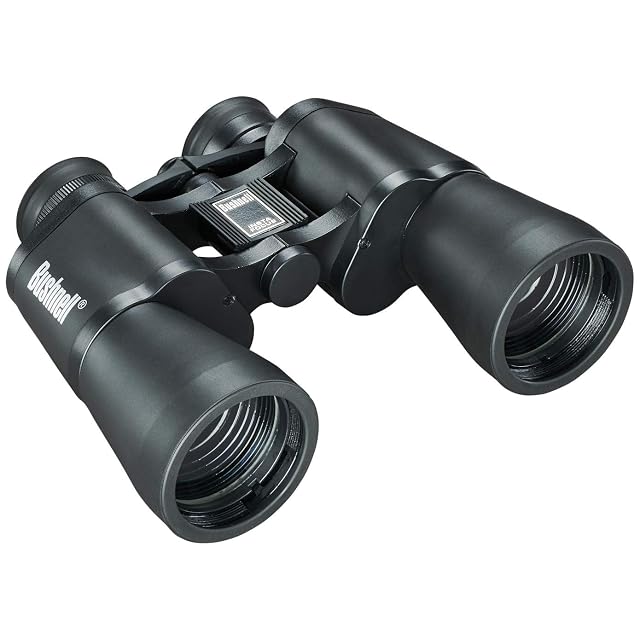
A long-running 10x50 porro binocular from Bushnell's Falcon line, with BK-7 prisms, fully coated optics and a central InstaFocus lever, and no waterproofing claimed.
Best for: A first, inexpensive pair kept in the car for whatever the sky or the day offers
10x · 50 mm (1.97 in) · porro prisms · multilayer-coated · long eye relief
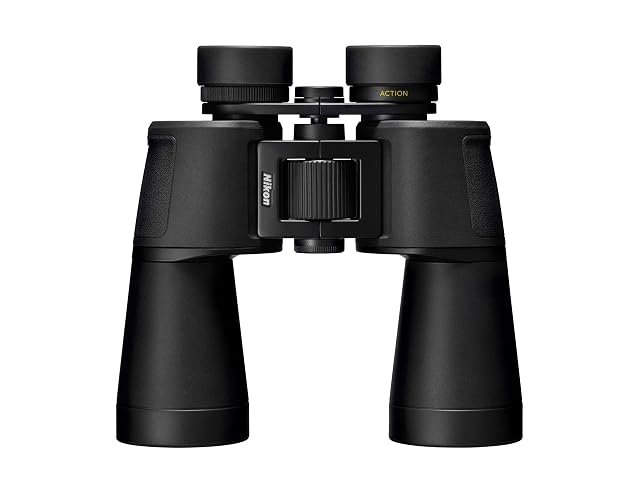
Nikon's Action 10x50: a rubber-armored porro binocular with multilayer-coated lenses, turn-and-slide eyecups, long eye relief for glasses and a tripod-ready body.
Best for: Sweeping the Milky Way and open clusters, on a tripod or from a reclining chair
10x · 50 mm (1.97 in) · 282 ft field at 1000 yd · BaK-4, silvered prisms · 26.1 oz (740 g)
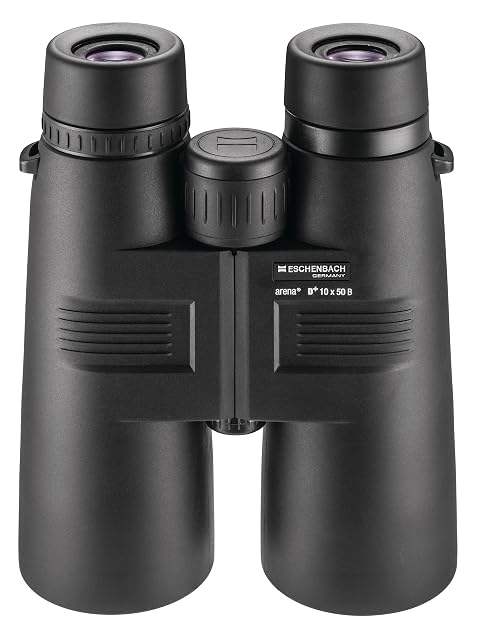
A waterproof, nitrogen-filled 10x50 with BaK-4 prisms carrying an extra silver coating, published with its field of view, close focus, dimensions and weight.
Best for: The observer who wants to compare figures rather than adjectives before buying