Skip to content

Bresser Wave 10x50 (1331050) vs Bushnell Falcon 10x50 (13-3450C)

Two 10x50s — what is under the same three numbers?

Magnification, aperture and exit pupil are identical because all three follow from the name. Underneath, one of these publishes its prism glass, its coating grade, its weight and what is in the box; the other publishes the word "coated".

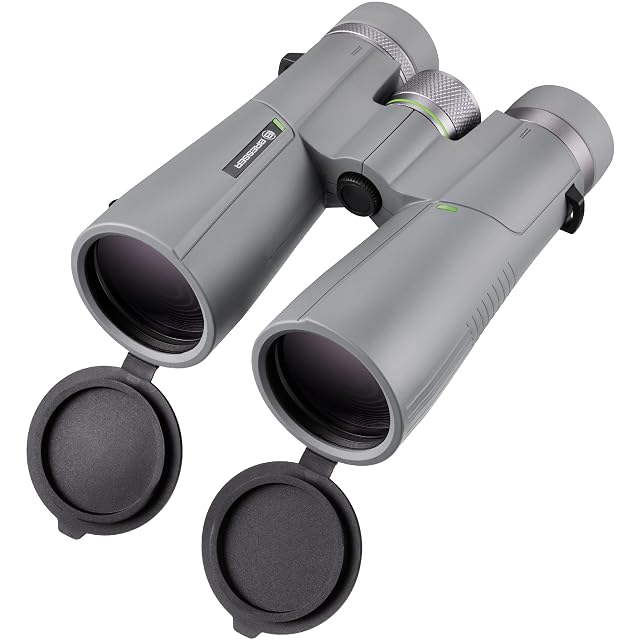
Bresser Wave 10x50 waterproof binocular in grey

Bresser Wave 10x50 (1331050)

Wins 4 of 8

Check price

≈ $166 / £145 / €136

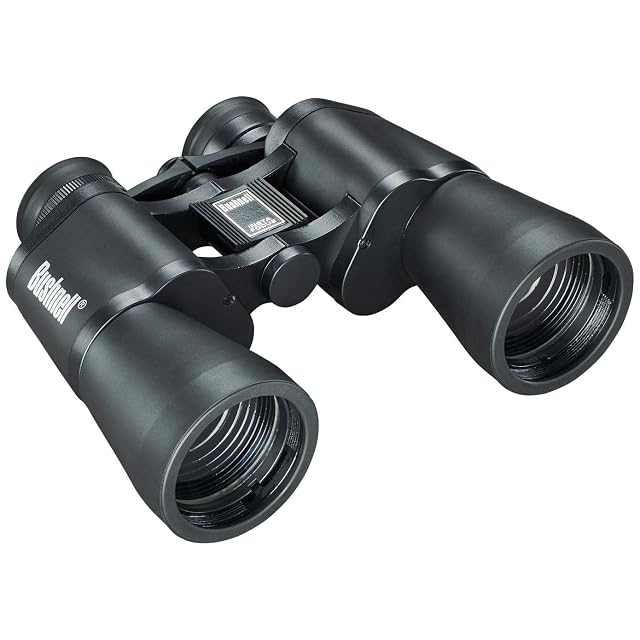
Bushnell Falcon 10x50 porro prism binocular

Bushnell Falcon 10x50 (13-3450C)

Wins 0 of 8

Check price

≈ $47 / £53 / €52

Line by line

Compared on Wave 10x50 (1331050) Falcon 10x50 (13-3450C)
Aperture 50 mm 50 mm
Magnification 10x, fixed by the design 10x, fixed by the design
Exit pupil 5 mm — 50 divided by 10 5 mm — 50 divided by 10
True field of view Not published by the maker. The listing does not carry it
Prism type and coatings BaK-4 glass, full multi-coating plus the maker’s UR coating Porro, from the product name; coated lenses, as the maker words it — the weakest of the four labels
Eye relief Twist-up eyecups, dioptre compensation, metal centre focuser Not published by the maker.
Weight 758 g, as the maker publishes it Not published by the maker.
Supplied accessories Strap, case, protective caps Not published by the maker.

A tick means one listing published something the other did not, or published a better figure. It does not mean the product is better, and the column is not a score out of anything: a maker who says less loses lines here without losing a comparison. The two verdicts below are where the page is settled.

Which one, for whom

Buy the Bresser Wave 10x50 (1331050)

The one that describes itself. BaK-4 glass and full multi-coating are the two labels that separate binoculars whose headline figures are identical, and both are stated. Seven hundred and fifty-eight grams is published, which decides how long it can be held up.

Buy the Bushnell Falcon 10x50 (13-3450C)

A long-running model sold on its name. "Coated" is the weakest of the four conventional coating labels — it means at least one surface has at least one layer — and nothing else about the glass, the weight or the contents appears. Neither listing publishes a true field of view, which is the figure a binocular is most usefully compared on.

What observers ask about these two

What are the four coating labels?

Coated, fully coated, multi-coated and fully multi-coated, in ascending order. They describe how many surfaces are treated and with how many layers, and they are a convention rather than a measurement.

Is BaK-4 better than BK-7?

In a porro prism, BaK-4 gives a round exit pupil where BK-7 can show a squared-off edge, which means less light lost at the edge of the field. It is a real difference and a small one.

Why does weight matter on a binocular?

Because it decides how long it can be held steady. Above roughly a kilogram most observers need a support, and hand tremor is what limits detail long before the optics do.

The full reviews

Any figure written into the body of this page was true on the day it was written. The amount shown next to each instrument is requested from the retailer as the page loads, and it is that amount, not the text, that stands.