Skip to content

Vixen

A name that is also a dovetail standard

The name on the saddle

Across this site, “Vixen” appears far more often as a profile than as a maker. The narrow dovetail bar that most small and medium mounts accept is called Vixen-style, often written Vixen/Synta, and it will not seat in a saddle cut for the wider Losmandy profile. See dovetail profiles.

The maker

Vixen is a Japanese optics company that makes telescopes, mounts and binoculars. On Amazon.com, one of its products had an offer on November 7, 2026, and that is the one reviewed here.

The Moon filter

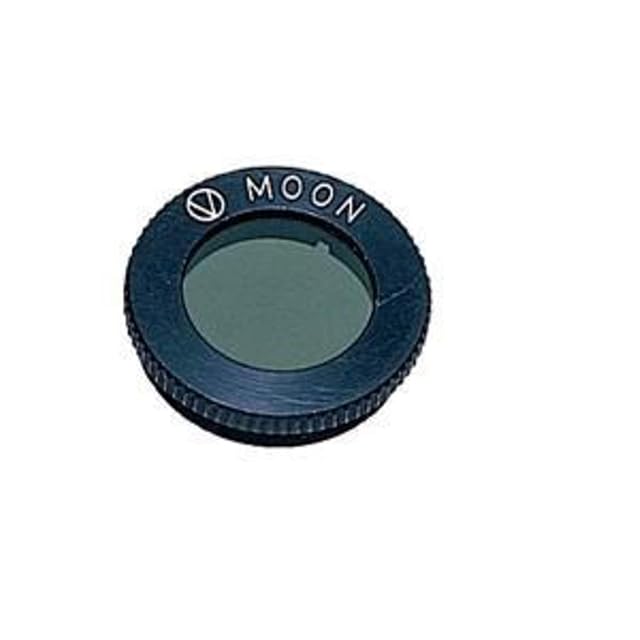
The Vixen Moon filter 37222-5 is a neutral density filter equivalent to ND4, which passes about a quarter of the light without tinting the Moon. It mounts on 1.25-inch (31.7 mm) eyepieces, has a 19 mm effective diameter and weighs 10 g. It cost about $58 from a third-party seller.

Reading a Vixen page here

When another page says “Vixen saddle”, it is describing a width. On this page, it describes the maker.

Everything Vixen puts on these shelves, one page each

  • Vixen 1.25 inch moon filter

    Vixen Moon filter 1.25 in (37222-5)

    Vixen's 1.25-inch Moon filter: a neutral density filter equivalent to ND4, which passes about a quarter of the light, with a 19 mm effective diameter, for eyepieces of 31.7 mm.

    Transmission percentage
    About 25%, from the stated ND4 equivalence
    Neutral or tinted dimming
    Neutral density (ND), stated
    Fixed or variable design
    Fixed
    Thread size
    1.25 in (31.7 mm) eyepiece mount
    Glass flatness
    Not published in the Amazon.com listing.
    Cell depth
    0.2 in (5 mm) · 0.7 in (19 mm) effective diameter · 0.4 oz (10 g)
    Amazon reference
    B0018HILMI
    EAN
    4955295372225
    • Dimming factor published: ND4, about 25%
    • Neutral: no color tint
    • About $58 for a fixed Moon filter

    Best for: A 1.25 in eyepiece case where a neutral, known dimming factor matters

    ≈ $58
    Check price on Amazon

Any figure written into the body of this page was true on the day it was written. The amount shown next to each instrument is requested from the retailer as the page loads, and it is that amount, not the text, that stands.