Skip to content

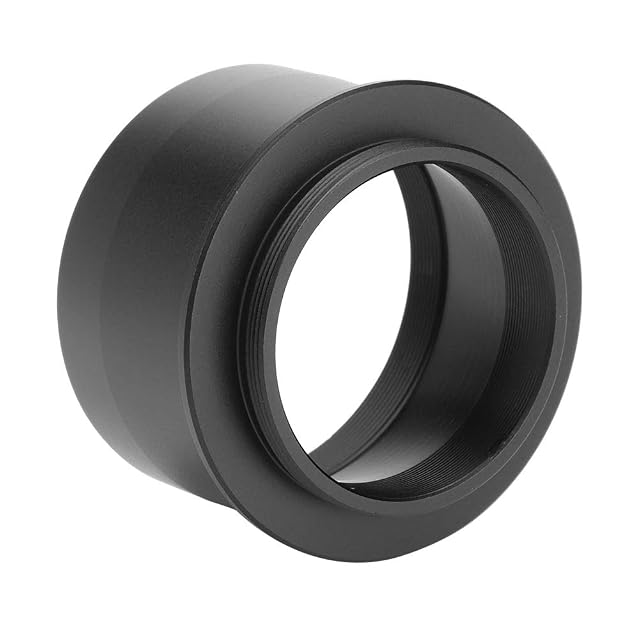
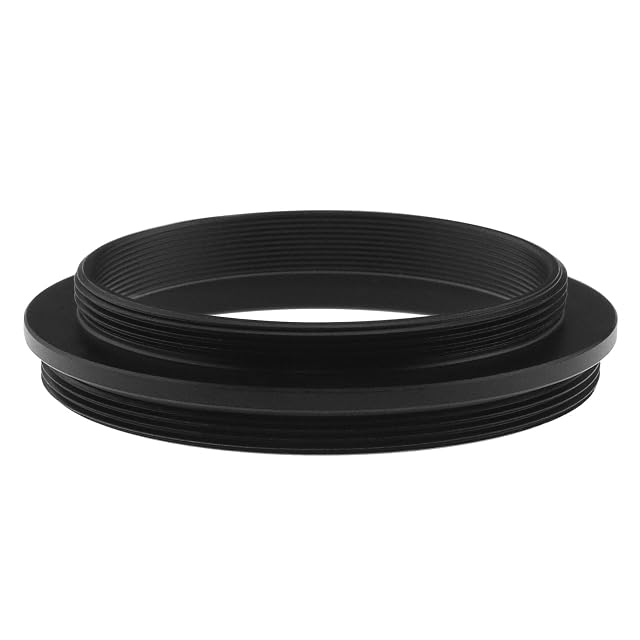
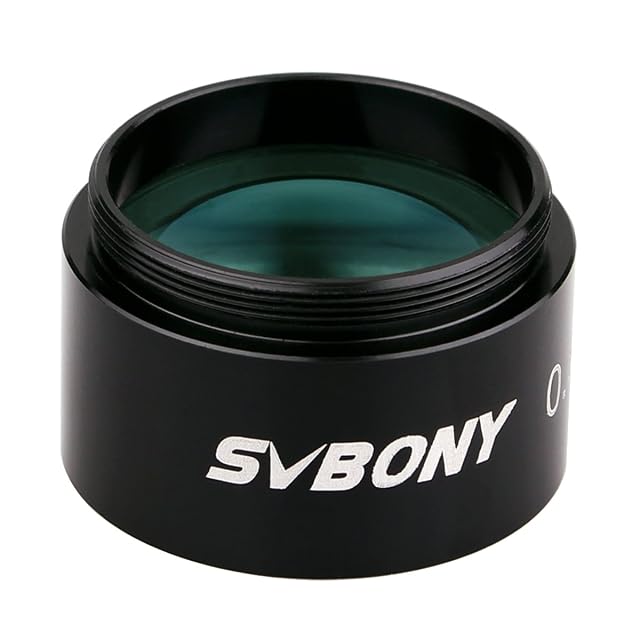
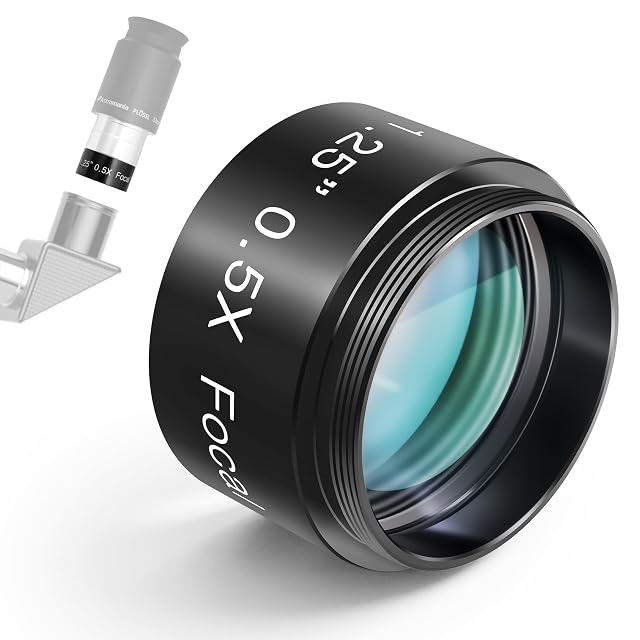
SVBONY 0.5x reducer with C-mount adapter (SV0.5x)

A fully multi-coated 0.5x reducer for 1.25 in fittings, supplied with a C-mount adapter for cameras that use that thread.

SVBONY 0.5x focal reducer with C-mount adapter

SVBONY 0.5x reducer with C-mount adapter (SV0.5x)

A fully multi-coated 0.5x reducer for 1.25 in fittings, supplied with a C-mount adapter for cameras that use that thread.

Reduction factor
0.5x, from the title
Required back focus
Neither is published
Image circle
Not published by the maker.
Corrector function
Focal reducer with optics
Thread standards
1.25 in (3.2 cm), from the title
Vignetting
Not published by the maker.
Housing
Fully multi-coated, from the title
Amazon reference
B0792XJWFS (same reference on 1 Amazon marketplace)
EAN
0609378745560
  • The C-mount adapter suits the small cameras that C-mount threads are found on
  • Fully multi-coated is claimed, which is the strongest of the four coating labels
  • The listing has no description whatsoever beyond its title

Best for: A small sensor camera with a C-mount thread on a long-focal-length telescope
Check price on Amazon

Specifications

Reduction factor
0.5x, from the title
Required back focus
Neither is published
Image circle
Not published by the maker.
Corrector function
Focal reducer with optics
Thread standards
1.25 in (3.2 cm), from the title
Vignetting
Not published by the maker.
Housing
Fully multi-coated, from the title
Amazon reference
B0792XJWFS (same reference on 1 Amazon marketplace)
EAN
0609378745560

A title and nothing else

The product name gives the factor, the fitting, the coating claim and the supplied adapter. Beyond that, this listing has no bullets and no description. Everything above comes from the name.

What a C-mount adapter tells you

That this is aimed at small sensor cameras. C-mount is a machine-vision and cine thread that many compact astronomy cameras carry, and supplying the adapter rather than assuming a 1.25 in nose is a sensible decision for that market.

The three figures a buyer needs

Clear aperture, element count and required spacing. The first decides whether a sensor is covered, the second how well the field is corrected, and the third where everything has to sit. None of them is published.

How to use it anyway

Start with the reducer as close to the sensor as the parts allow, take an exposure, and look at the corners. Stars stretching outwards mean the train is too long; inwards, too short. That is the empirical route when no figure is published.

Availability

No store in the survey held a live offer that day.

German Amazon catalogue holds a record for it that nobody is selling.

American, British, French, Italian and Spanish Amazon stores gave no result whatever, so the buy button there opens a search rather than an empty page.

Figures as Keepa reported them on the day this page was last updated. Stock and pricing shift without warning.

What this fits

All focal reducers

Any figure written into the body of this page was true on the day it was written. The amount shown next to each instrument is requested from the retailer as the page loads, and it is that amount, not the text, that stands.