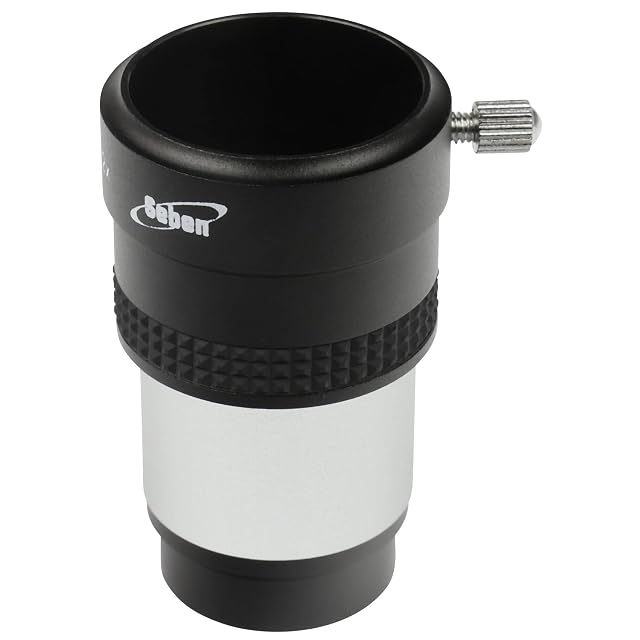
Seben BA2 2x
2x Barlow · achromatic · fully coated · metal body
A 2x achromatic Barlow lens in a full metal body, fully coated, described in four words per bullet.
Best for: Doubling the range of an existing eyepiece set at minimum cost
≈ £17 / €18
Brand
Entry-level optics, plainly described
Four products, each at the inexpensive end of its shelf. What they have in common is that their listings tell you what they are not: the star diagonal states outright that it suits refractors, Schmidt-Cassegrains and Maksutovs but not Newtonians.
A negative compatibility statement is rarer than a positive one and worth more. A diagonal that cannot be used on a Newtonian is a fact that saves a return; most listings leave it to be discovered.
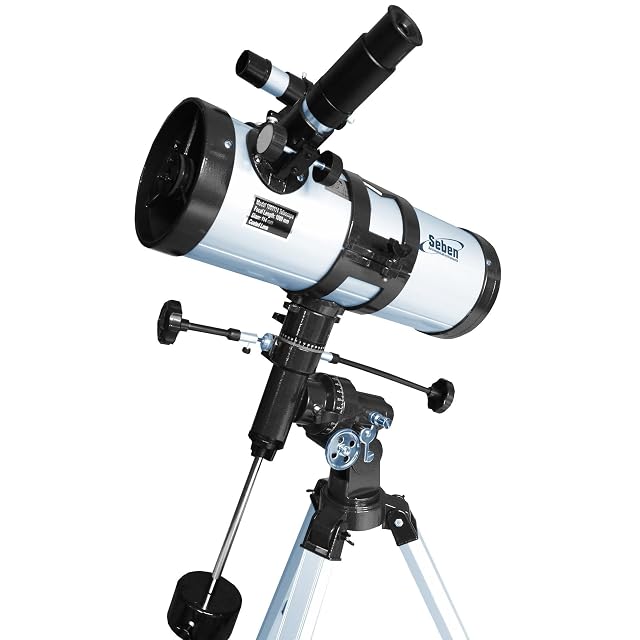
The Star Sheriff 114/1000 sits on an EQ-3 class mount. Its aperture and focal length are published; the mount is the part to weigh, because a long tube asks more of it than the price suggests.
The compatibility sentence is the specification. Read it before the optical description.
2x Barlow · achromatic · fully coated · metal body
A 2x achromatic Barlow lens in a full metal body, fully coated, described in four words per bullet.
Best for: Doubling the range of an existing eyepiece set at minimum cost
≈ £17 / €18
114 mm mirror · 1000 mm focal length · EQ-3 mount · 1.25 in focuser
A 114/1000 Newtonian on an EQ-3 equatorial mount with a rack-and-pinion 1.25 in focuser, sold with an accessory pack and described by the maker as motor-upgradable.
Best for: A first equatorial set with room to add a drive motor later
≈ €150
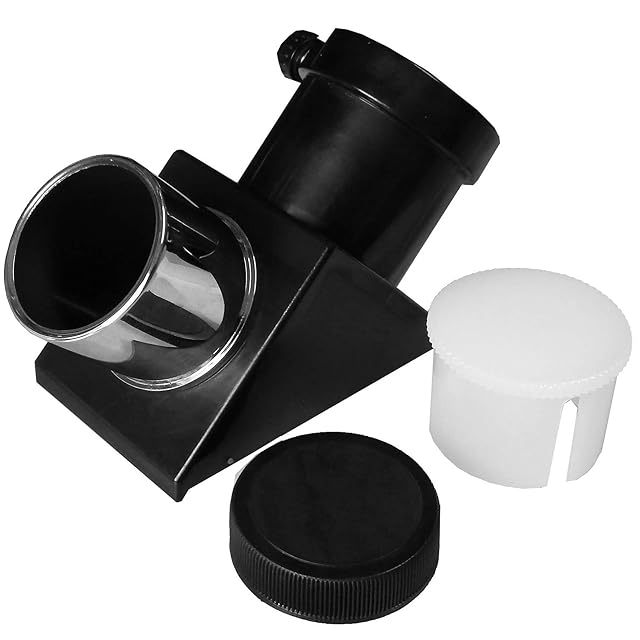
A 90-degree star diagonal with a 1.25 in fitting at both ends, explicitly excluded by the maker from use on Newtonian telescopes.
Best for: Replacing a missing or broken diagonal on a small refractor at minimum cost
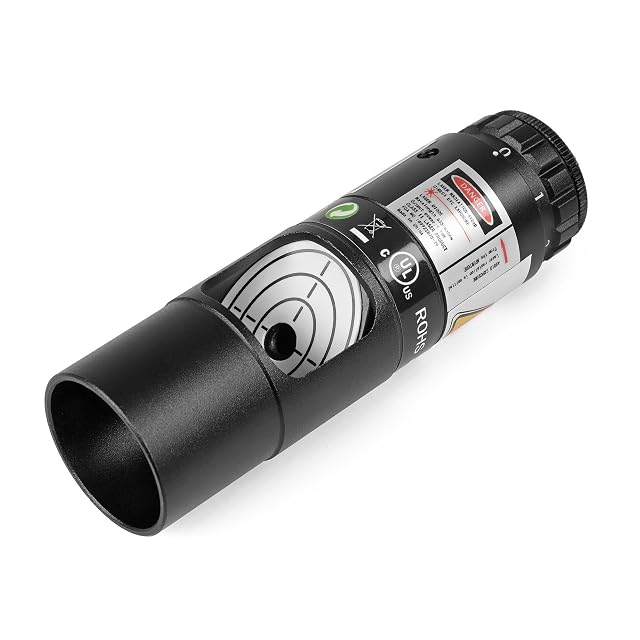
A 1.25 in laser collimator in a metal housing for aligning Newtonian reflectors, with no wavelength, power or adjustment detail published.
Best for: A first collimator where price decides and the tool will be checked on arrival
Any figure written into the body of this page was true on the day it was written. The amount shown next to each instrument is requested from the retailer as the page loads, and it is that amount, not the text, that stands.