Skip to content

Minox 20-60x80 ED vs Bresser Corvette 20-60x80 (4321001)

Better glass, or better published figures?

Identical headline numbers again, and a clean split in what each listing gives. One names its glass type and its focusing mechanism; the other publishes four measured figures and what comes in the box, and says nothing about its glass.

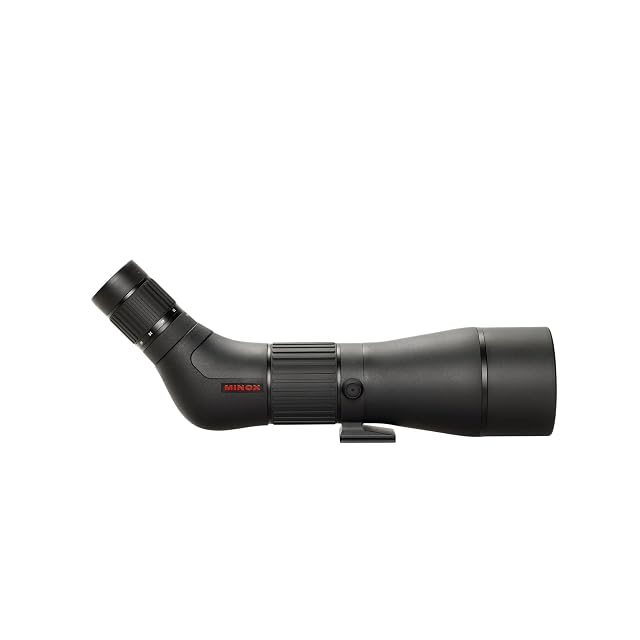
Minox 20-60x80 ED spotting scope for birdwatching

Minox 20-60x80 ED

Wins 2 of 10

Check price

≈ €988

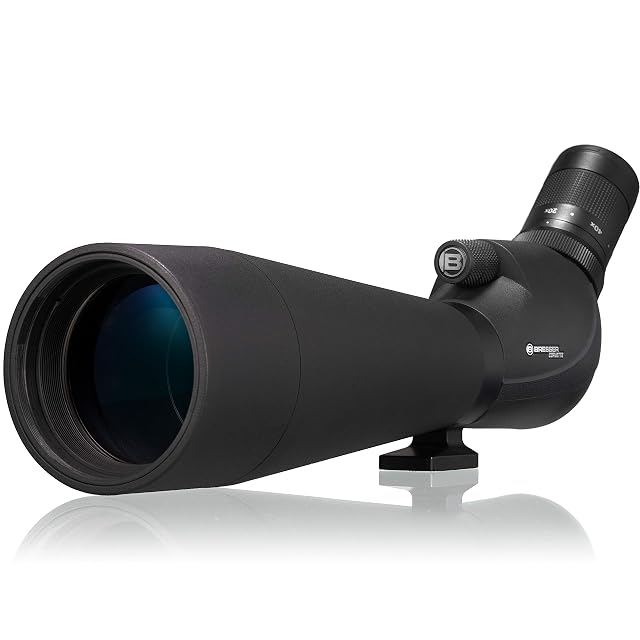
Bresser Corvette 20-60x80 spotting scope with rubber armour

Bresser Corvette 20-60x80 (4321001)

Wins 5 of 10

Check price

≈ £180 / €150

Line by line

Compared on 20-60x80 ED Corvette 20-60x80 (4321001)
Aperture 80 mm 80 mm
Zoom range 20x to 60x, continuous 20x to 60x, variable
Exit pupil 4 mm at 20x falling to 1.3 mm at 60x 4 mm at 20x falling to 1.3 mm at 60x
True field of view The listing does not carry it 2.06 degrees, as the maker publishes it
Body shape Not published by the maker. Rotates through 340 degrees, per the maker
Glass type ED, described by the maker as reducing colour fringing Not published by the maker.
Close focus Not published by the maker. 9 m, as the maker publishes it
Focusing Fine centre focus, per the maker Not published by the maker.
Weight The listing does not carry it 1336 g, and 470 × 100 × 170 mm, as the maker publishes them
Supplied accessories Not published by the maker. Carry bag, tabletop tripod, manual

A tick means one listing published something the other did not, or published a better figure. It does not mean the product is better, and the column is not a score out of anything: a maker who says less loses lines here without losing a comparison. The two verdicts below are where the page is settled.

Which one, for whom

Buy the Minox 20-60x80 ED

The one that names its glass. ED reduces the colour fringing that shows at 60x on a high-contrast edge, and a fine centre focus is what makes that magnification usable at all. Almost nothing else is published — no field, no weight, no close focus, no contents.

Buy the Bresser Corvette 20-60x80 (4321001)

The one that can be checked before it arrives. Two point zero six degrees of field, nine metres of close focus, 1336 grams, and a rotating body through 340 degrees — every one of those is a figure a buyer can act on. What it does not say is what its objective is made of.

What observers ask about these two

How much field is 2.06 degrees?

About four Moon diameters at 20x. On a spotting scope that is a wide view; at 60x the same scope shows roughly a third of it.

What does a rotating body do?

It lets the eyepiece be turned to a comfortable angle without moving the tripod, which matters when the scope is aimed high or shared between people of different heights.

Is ED glass visible at 20x?

Barely. Colour fringing grows with magnification and contrast, so it is at 60x on a bright edge that the difference between ED and ordinary glass becomes obvious.

The full reviews

  • Minox 20-60x80 ED

    20–60x · 80 mm ED objective · centre focus

    A 20–60x80 ED spotting scope aimed at ornithology, with a continuous zoom, a fine centre focus and a body described as built for regular field use.

    Best for: Regular birdwatching where the brand’s optical reputation carries the decision

    ≈ €988

Any figure written into the body of this page was true on the day it was written. The amount shown next to each instrument is requested from the retailer as the page loads, and it is that amount, not the text, that stands.