Skip to content

Omegon Plössl 25 mm vs SVBONY 4 mm aspheric

The finder eyepiece, or the planetary one?

These two sit at opposite ends of an eyepiece case and are used for opposite jobs. Twenty-five millimetres is what an object is found with; four millimetres is what it is examined with, on the nights the atmosphere allows. Comparing them is really comparing two roles.

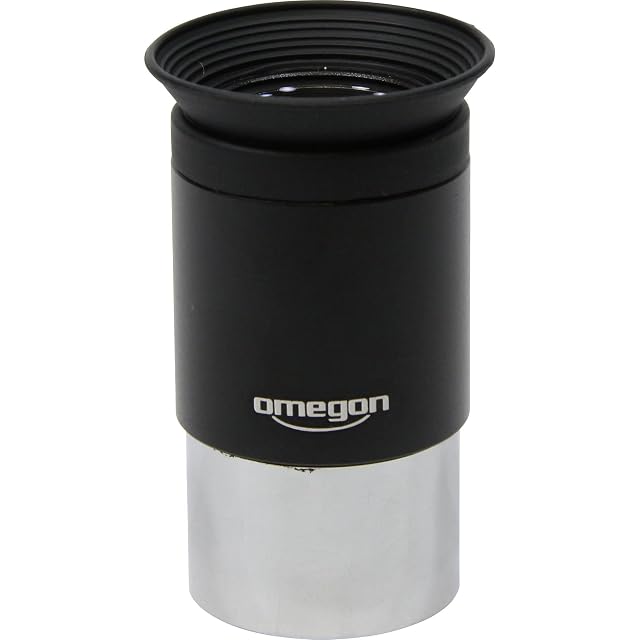
Omegon 25 mm Plössl eyepiece with rubber eyecup

Omegon Plössl 25 mm

Wins 2 of 8

Check price

≈ £32 / €34

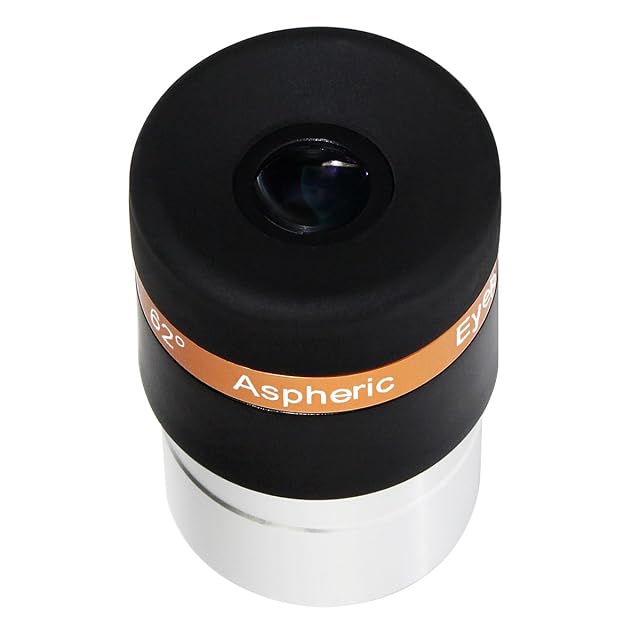
SVBONY 4 mm aspheric eyepiece with aluminium barrel

SVBONY 4 mm aspheric

Wins 5 of 8

Check price

≈ £18 / €20

Line by line

Compared on Plössl 25 mm 4 mm aspheric
Focal length 25 mm 4 mm
Apparent field 50 degrees, as the maker publishes it 62 degrees, as the maker states it
Eye relief Rubber, against side light Not published by the maker.
Barrel size 1.25 in with a filter thread 1.25 in, with an M28.5 × 0.6 filter thread named by the maker
Optical design Plössl, four elements Aspheric
Coatings Coated lenses, as the maker words it Fully coated, as the maker words it
Weight Not published by the maker. About 42 g, given by the maker in ounces
Supplied accessories Not published by the maker. Two dust caps

A tick means one listing published something the other did not, or published a better figure. It does not mean the product is better, and the column is not a score out of anything: a maker who says less loses lines here without losing a comparison. The two verdicts below are where the page is settled.

Which one, for whom

Buy the Omegon Plössl 25 mm

The one used every night. A 25 mm Plössl gives the widest true field either of these can, which is what an object is found with before anything else happens. Its coating is described with the weakest of the conventional labels, and its weight is not given.

Buy the SVBONY 4 mm aspheric

The one used on the good nights. Four millimetres gives high magnification on a modest telescope, and 62 degrees is a wider window than a Plössl offers. Whether it is comfortable depends on eye relief, which is not published — and at this focal length that is the figure that decides it.

What observers ask about these two

Which should be bought first?

The low-power one. Nothing is examined at high magnification until it has been found at low magnification, and a wide true field is what makes finding possible.

How often is 4 mm usable?

Less often than most observers expect. On a 650 mm telescope it gives about 160x, and the atmosphere supports that on a minority of nights.

Does a wider apparent field mean more sky?

At the same focal length, yes. Between these two the 4 mm shows far less sky than the 25 mm despite its wider apparent field, because true field is apparent field divided by magnification.

The full reviews

Any figure written into the body of this page was true on the day it was written. The amount shown next to each instrument is requested from the retailer as the page loads, and it is that amount, not the text, that stands.