Skip to content

Where it lives between sessions

Most telescope damage happens between sessions rather than during them. Three things cause it: moisture left on the optics, dust ground into a coating by a cloth, and knocks in transport. Each has a different answer.

Moisture is the real enemy

Dew that dries on its own leaves nothing; dew sealed in a case does not dry. The rule that protects optics is simple — let the telescope reach room temperature and dry in open air before it is closed up.

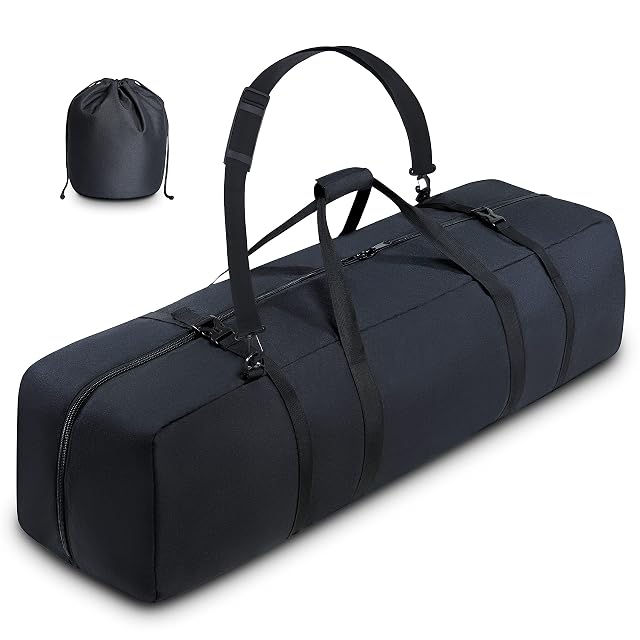
A case is cut for a tube

The published internal dimensions are the whole specification. A universal case with loose foam allows the tube to move, and movement over a long drive is what knocks a Newtonian out of collimation.

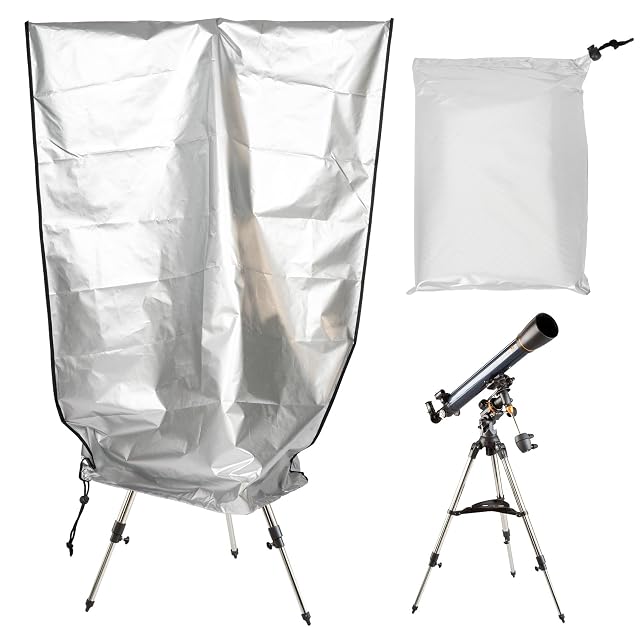
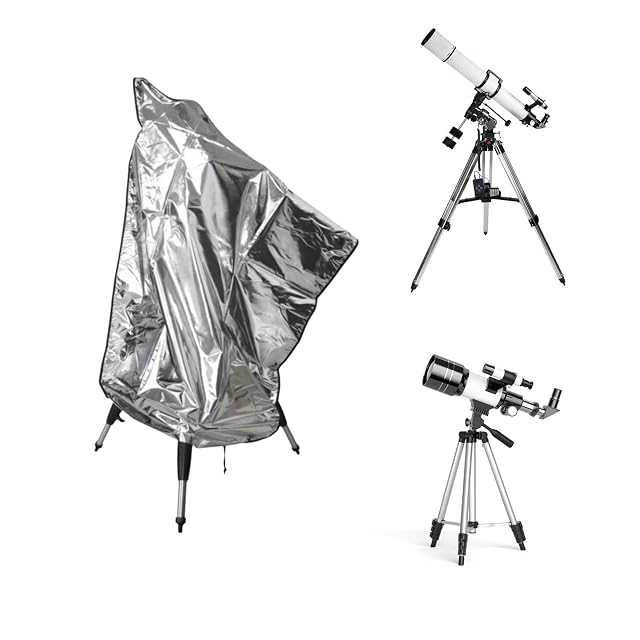
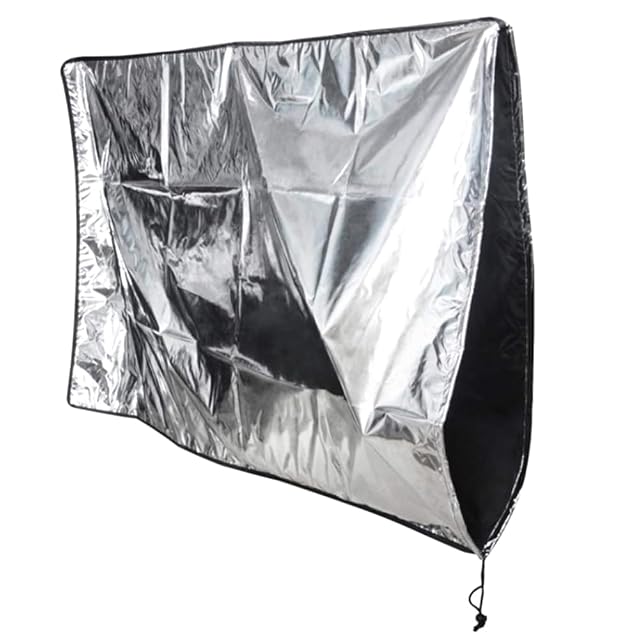
A cover is for outdoors

Waterproof, UV-resistant, and ideally able to vent. A sealed cover over a warm telescope traps the moisture the telescope itself gives off.

What not to buy

A cleaning kit, at first. The single most common cause of a damaged coating is enthusiastic cleaning of a mirror that only needed a dust cap.

The five, and the reason for the order

What gets asked before buying

Should a wet telescope be dried before it is put away?

It should be left to dry in air first. Sealing damp optics into a case keeps the moisture against the coatings, which is how a bloom starts.

Does a cover need to breathe?

If the telescope lives outside under it, yes — otherwise condensation collects underneath. Where a listing states anything about breathability, this site reports it; most do not.

How often should optics be cleaned?

As rarely as possible. Each cleaning risks scratching a coating, and a little dust costs almost nothing in contrast. A dust cap does more good than a cleaning cloth.

Any figure written into the body of this page was true on the day it was written. The amount shown next to each instrument is requested from the retailer as the page loads, and it is that amount, not the text, that stands.

The tool we use ourselves

Chosen your instrument? Now do not pay over the odds.

Telescopes and mounts are discounted over and over through the year — hardest of all in the weeks before Christmas, which is exactly when most of them are bought — and a struck-through figure on its own says nothing whatever about what the same model was charged at four weeks ago. UniverTrack keeps a week-by-week record for each retailer, so a discount is measured against a figure somebody genuinely paid instead of one invented for the sale — and it says when the moment to buy has genuinely arrived.

Real price historyBuy-now alertsAI buying assistant
Try free for 14 days →
No commitment · Cancel in one click · 5 languages