Skip to content

Five things that come out every night

Most accessories are bought once and used twice. These five are the exceptions: they come out on every session, they survive a change of telescope, and none of them is optical.

A light that does not undo the dark

Judged on its minimum. Twenty minutes of dark adaptation is lost in a second to a torch that cannot dim far enough, and the maximum output that most listings lead with is irrelevant to this use.

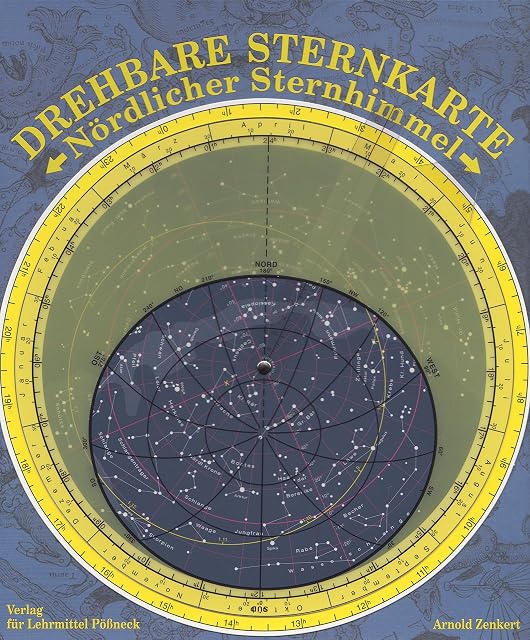
A chart that works without power

A planisphere is set for the date and time and shows what is up. It needs no battery, it survives being dropped in wet grass, and it teaches the sky in a way a phone screen does not — partly because it does not glow.

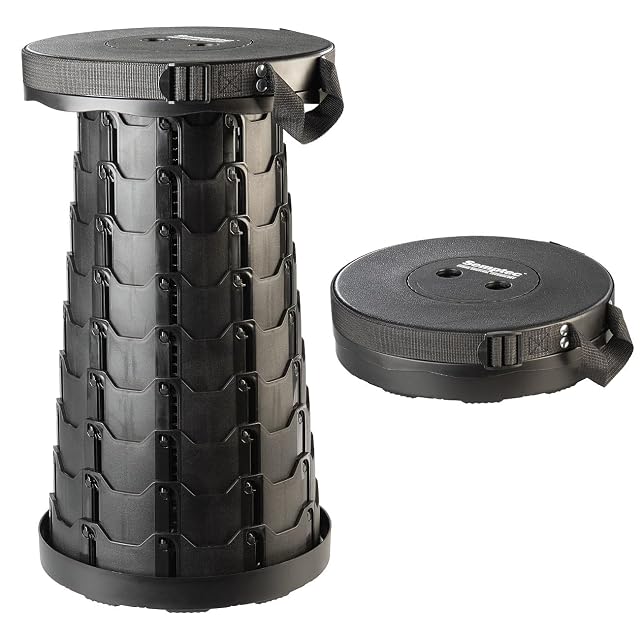
A seat

An adjustable one. Eyepiece height changes with where the telescope points, and on a Dobsonian that can be half a metre between the horizon and the zenith.

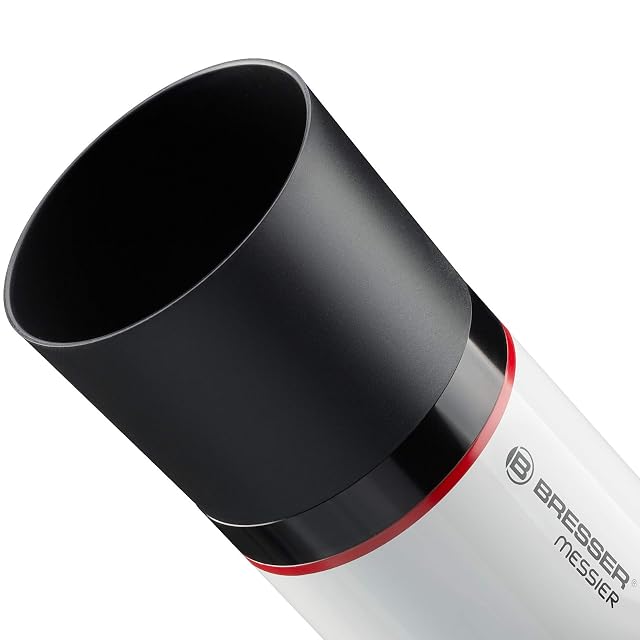
Something against dew

A shield delays it, a heater prevents it. The session that ends at midnight with a fogged corrector is the commonest way an evening stops early.

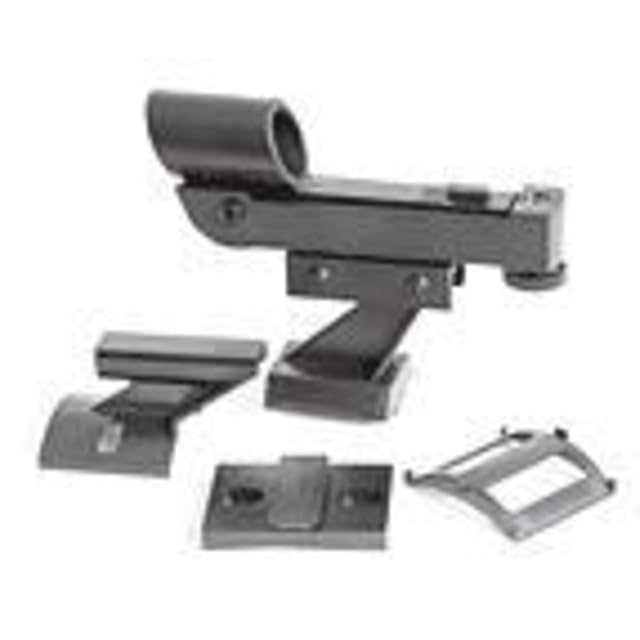
A way to aim

Whatever is on the telescope now was probably the cheapest part of it. A finder that is comfortable to use is the difference between finding three objects in an evening and thirty.

The five, and the reason for the order

  1. Celestron StarPointer

    Both-eyes-open aiming · adjustable brightness · base plates supplied

    A red dot finder that projects an artificial star onto a window so a target can be aimed at with both eyes open, supplied with several mounting plates.

    Best for: Complementing an optical finder on a telescope that already has the bracket

    ≈ £35 / €36

What gets asked before buying

Why does a red torch need a low minimum?

Because dark adaptation takes twenty minutes to build and a moment to destroy. A torch whose lowest setting is still bright undoes the wait every time it is used, which is why this site judges the shelf on its minimum rather than its maximum.

Is a chair really worth it?

A seated observer is steady, and steadiness is what lets fine detail be held. Experienced observers name a seat more often than any eyepiece as the accessory that changed what they could see.

Red dot finder or optical finder?

A red dot points; an optical finder magnifies. For finding bright objects fast the first is quicker, and for star-hopping to something faint the second shows stars the eye cannot.

Any figure written into the body of this page was true on the day it was written. The amount shown next to each instrument is requested from the retailer as the page loads, and it is that amount, not the text, that stands.

The tool we use ourselves

Chosen your instrument? Now do not pay over the odds.

Telescopes and mounts are discounted over and over through the year — hardest of all in the weeks before Christmas, which is exactly when most of them are bought — and a struck-through figure on its own says nothing whatever about what the same model was charged at four weeks ago. UniverTrack keeps a week-by-week record for each retailer, so a discount is measured against a figure somebody genuinely paid instead of one invented for the sale — and it says when the moment to buy has genuinely arrived.

Real price historyBuy-now alertsAI buying assistant
Try free for 14 days →
No commitment · Cancel in one click · 5 languages