Skip to content

Why the mount is bought first

Most observers change telescopes and keep the mount. That is the argument for spending on it first, and the figure that decides everything is payload — which almost none of these listings publish.

Payload is the specification

A mount within its capacity damps a touch in a second; the same mount slightly over it rings for four. That difference is the whole experience of using a telescope at high magnification, and it is not visible in any photograph of the mount.

What a drive adds, and what it does not

A tracking drive keeps an object in the field once it is found. It does not find it, and it does not correct a mount that was not polar-aligned. A GoTo system does the finding and still depends on the alignment being done properly.

Counterweights are part of the mount

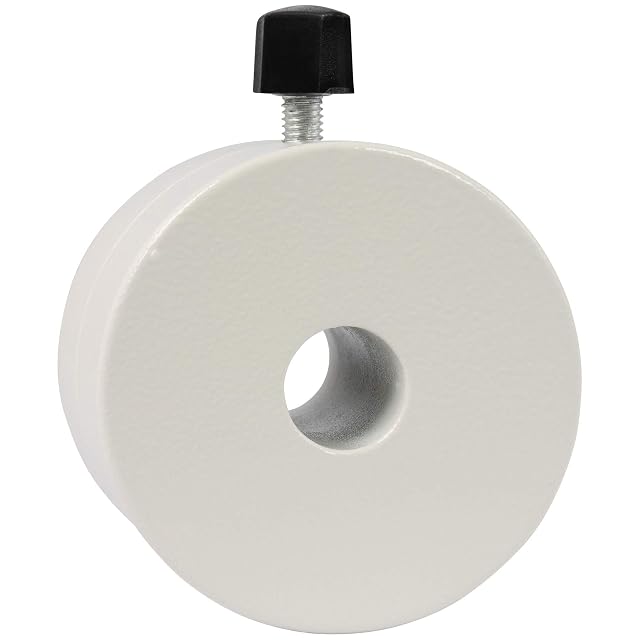
An equatorial mount only works balanced. The counterweight shaft diameter and the weight’s bore are the two figures that decide whether a given weight fits, and they are published far more reliably than payload is.

The part that is never upgraded

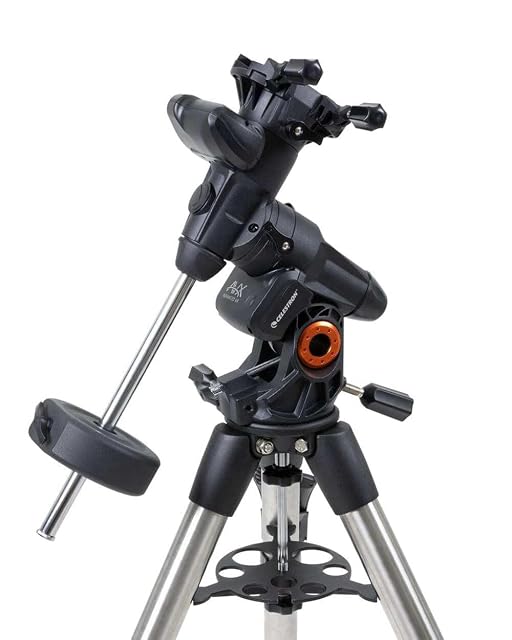
Tripods. A mount head bought for its capacity and set on a light aluminium tripod performs like the tripod, not like the head — which is why several listings on this site publish the head and say nothing about the legs.

The five, and the reason for the order

What gets asked before buying

How much payload do I need?

More than the tube weighs. The usual working rule is to keep visual loads well inside the rating and imaging loads further inside still, because imaging shows vibration that the eye forgives.

Equatorial or alt-azimuth?

An equatorial follows the sky with one motion once polar-aligned, which matters for imaging. An alt-azimuth moves the way a person looks around, which matters for finding things. For visual use the second is easier; for photography the first is close to necessary.

What does EQ-3 or AZ-GTi actually promise?

They are size or product names, not standards with published capacities. This site treats the absence of a payload figure as the finding rather than reading the name as one.

Any figure written into the body of this page was true on the day it was written. The amount shown next to each instrument is requested from the retailer as the page loads, and it is that amount, not the text, that stands.

The tool we use ourselves

Chosen your instrument? Now do not pay over the odds.

Telescopes and mounts are discounted over and over through the year — hardest of all in the weeks before Christmas, which is exactly when most of them are bought — and a struck-through figure on its own says nothing whatever about what the same model was charged at four weeks ago. UniverTrack keeps a week-by-week record for each retailer, so a discount is measured against a figure somebody genuinely paid instead of one invented for the sale — and it says when the moment to buy has genuinely arrived.

Real price historyBuy-now alertsAI buying assistant
Try free for 14 days →
No commitment · Cancel in one click · 5 languages