Skip to content

Sky-Watcher Star Adventurer 2i Wi-Fi Photo Set vs Omegon MiniTrack LX Quattro NS

Motor and Wi-Fi, or a spring and no batteries?

Both turn a camera at the rate the sky turns. One does it with a motor, an app and a shutter interface; the other does it with a wound spring and nothing else. That single difference decides everything about how each is used, and the listings publish opposite halves of the specification.

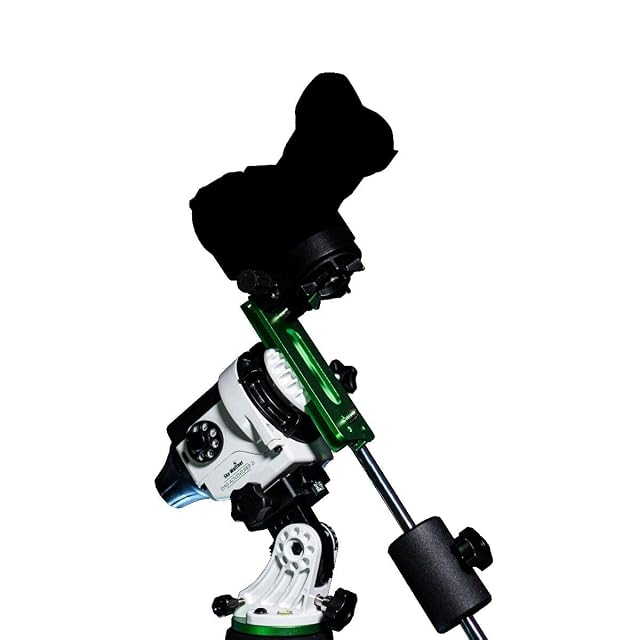
Sky-Watcher Star Adventurer 2i Wi-Fi tracking mount

Sky-Watcher Star Adventurer 2i Wi-Fi Photo Set

Wins 1 of 7

Check price

≈ €443

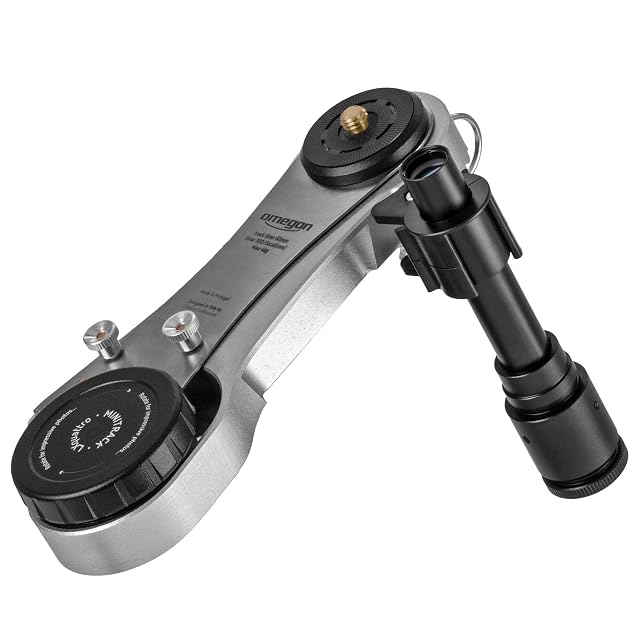
Omegon MiniTrack LX Quattro mechanical star tracker

Omegon MiniTrack LX Quattro NS

Wins 2 of 7

Check price

≈ €256

Line by line

Compared on Star Adventurer 2i Wi-Fi Photo Set MiniTrack LX Quattro NS
Payload Absent from this listing Up to 4 kg, as the maker publishes it
Counterweight Not published by the maker. Not published by the maker.
Tracking rates Not published by the maker. Not published by the maker.
Polar alignment method Built-in illuminated polar finder Not published by the maker.
Power source The listing does not carry it Purely mechanical, wound by hand; no batteries and no mains supply
Weight Not published by the maker. Not published by the maker.
Head fitting Not published by the maker. Not published by the maker.

A tick means one listing published something the other did not, or published a better figure. It does not mean the product is better, and the column is not a score out of anything: a maker who says less loses lines here without losing a comparison. The two verdicts below are where the page is settled.

Which one, for whom

Buy the Sky-Watcher Star Adventurer 2i Wi-Fi Photo Set

The one that aligns itself properly. An illuminated polar finder built into the body is what makes accurate alignment possible in the dark, and accurate alignment is what separates a two-minute exposure from a four-minute one. Its power source is not stated anywhere in the listing, which on a motorised mount is an odd omission.

Buy the Omegon MiniTrack LX Quattro NS

The one that cannot go flat. A wound spring runs in the cold, at altitude, and at the end of a week away from a socket — the three situations where a battery-powered tracker stops. Four kilograms is published, which is the figure that decides what lens can go on it. How it is polar-aligned is not published at all.

What observers ask about these two

Why does polar alignment matter on a tracker?

Because the tracker turns about one axis, and that axis has to point at the celestial pole. The closer it points, the longer an exposure can run before stars trail. A built-in polar finder is how that is done accurately.

Is a mechanical tracker less accurate?

Not necessarily, but it runs for a fixed time before it must be rewound, and its rate cannot be switched. Neither listing here publishes a tracking rate, which would be the way to compare them directly.

What does a 4 kg payload allow?

A camera body with a moderate telephoto lens, ball head included. The figure has to cover everything above the mount, not only the lens.

The full reviews

Any figure written into the body of this page was true on the day it was written. The amount shown next to each instrument is requested from the retailer as the page loads, and it is that amount, not the text, that stands.