Skip to content

Why the session ends at midnight, and what stops it

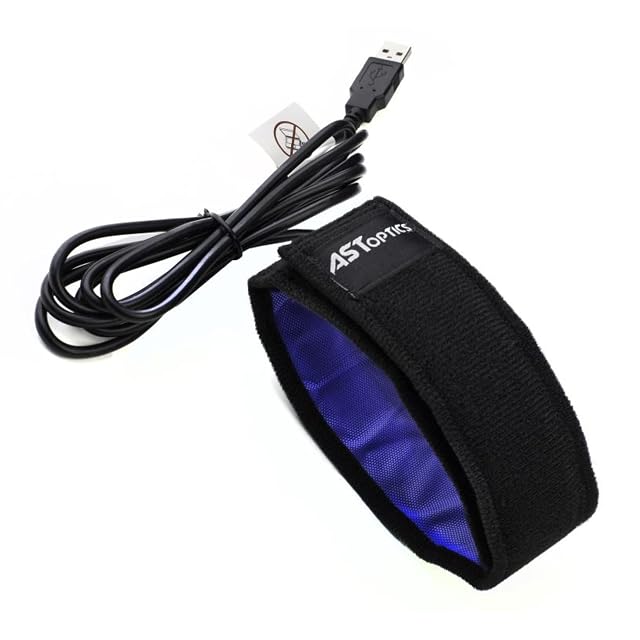
A session that ends abruptly with a blank eyepiece usually ends because the corrector or the objective has gone below the dew point. A dew shield buys an hour or two; a heater strip removes the problem, and the only figure that decides whether it works is whether it reaches round the tube.

Radiative cooling, not air temperature

Optics facing open sky lose heat to it and drop below the surrounding air. That is why dew forms on a telescope on a night when nothing else is wet, and why a shield — which restricts the view of open sky — delays it.

A shield delays, a heater prevents

A dew shield extending in front of the objective narrows the cone of sky the glass radiates to. It buys time. A heater strip holds the glass a degree or two above the dew point and removes the problem for as long as there is power.

The length is the specification

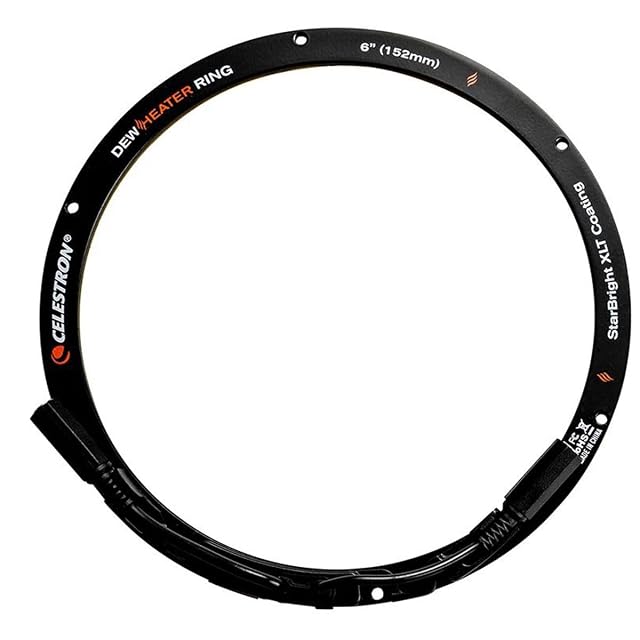
A strip has to reach around the tube at the point it heats. This site prints the published length and the tube sizes it suits, because “fits most telescopes” cannot be checked against anything.

Storage is the other half

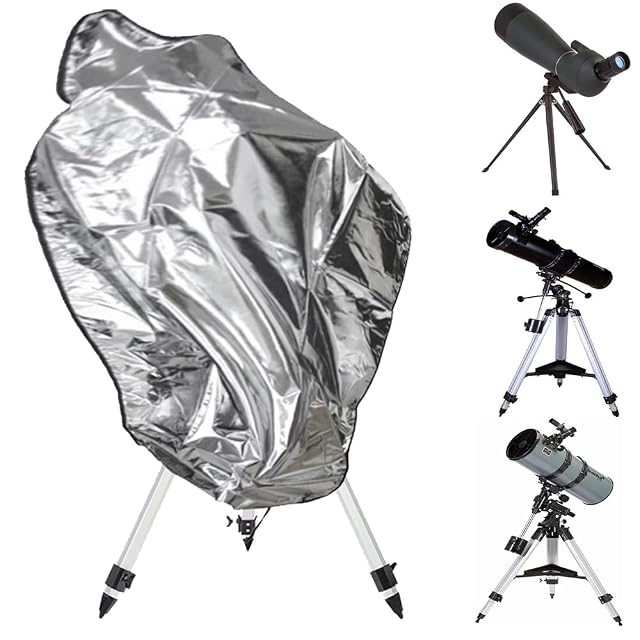
A telescope brought indoors wet and covered will stay wet. Where a cover publishes whether it breathes, this site says so — a waterproof cover over damp optics keeps the damp in.

The five, and the reason for the order

What gets asked before buying

Why do refractors and Schmidt-Cassegrains dew up first?

Because the glass at the front of the tube faces open sky and radiates heat away to it. A Newtonian’s primary sits at the bottom of a tube and is shielded from most of that.

How long is long enough for a strip?

Long enough to wrap the tube at the point being heated, with the ends meeting. A strip that leaves a gap leaves a cold arc, and dew forms there first.

Can a hairdryer be used instead?

It clears dew that has formed, briefly, and it puts warm air across the optics which disturbs the image for several minutes. A heater that prevents the dew is the better answer.

Any figure written into the body of this page was true on the day it was written. The amount shown next to each instrument is requested from the retailer as the page loads, and it is that amount, not the text, that stands.

The tool we use ourselves

Chosen your instrument? Now do not pay over the odds.

Telescopes and mounts are discounted over and over through the year — hardest of all in the weeks before Christmas, which is exactly when most of them are bought — and a struck-through figure on its own says nothing whatever about what the same model was charged at four weeks ago. UniverTrack keeps a week-by-week record for each retailer, so a discount is measured against a figure somebody genuinely paid instead of one invented for the sale — and it says when the moment to buy has genuinely arrived.

Real price historyBuy-now alertsAI buying assistant
Try free for 14 days →
No commitment · Cancel in one click · 5 languages