Skip to content

Explore Scientific 8x50 illuminated finder (0620150) vs Omegon 6x30 finder

Eight by fifty illuminated, or six by thirty plain?

A finder exists to put the object in the main telescope’s field. More aperture shows fainter stars to aim by; more magnification narrows the field it shows. These two sit either side of that trade, and one of them lights its reticle.

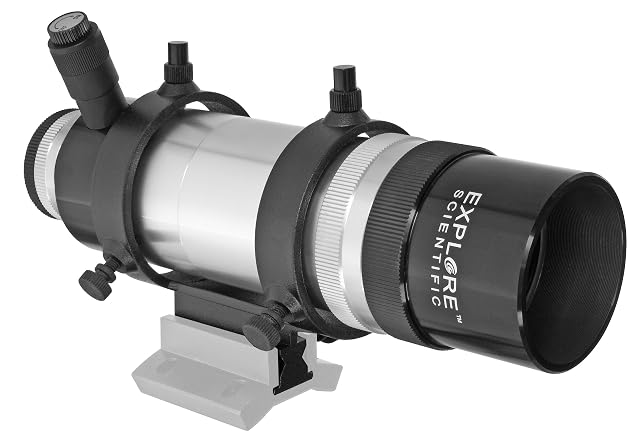
Explore Scientific 8x50 illuminated finder scope

Explore Scientific 8x50 illuminated finder (0620150)

Wins 3 of 6

Check price

≈ £149 / €146

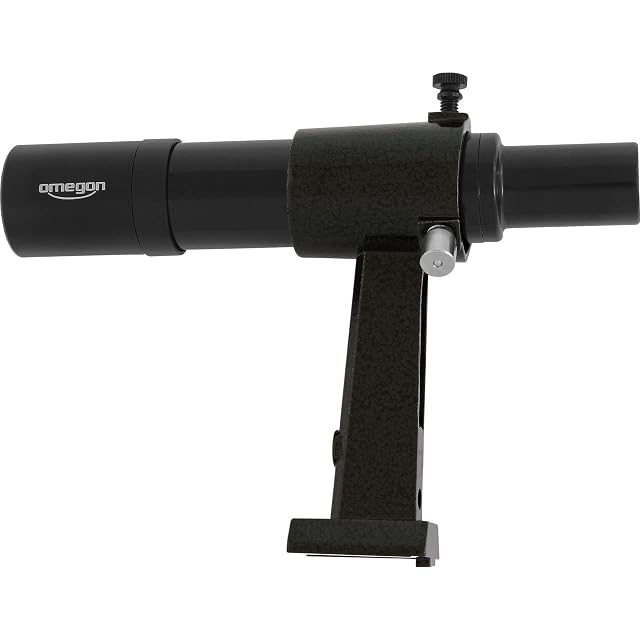
Omegon 6x30 finder scope in black

Omegon 6x30 finder

Wins 0 of 6

Check price

≈ £41 / €44

Line by line

Compared on 8x50 illuminated finder (0620150) 6x30 finder
Aperture 50 mm 30 mm
Magnification 8x 6x
True field of view The listing does not carry it Described as large; no figure is published
Image orientation Upright, as the maker states it; not described as straight or angled Straight through
Bracket fitting Not published by the maker. Not published by the maker.
Reticle illumination and eye relief 6.25 mm exit pupil — 50 divided by 8 — with an illuminated reticle 5 mm exit pupil — 30 divided by 6 — with a crosshair

A tick means one listing published something the other did not, or published a better figure. It does not mean the product is better, and the column is not a score out of anything: a maker who says less loses lines here without losing a comparison. The two verdicts below are where the page is settled.

Which one, for whom

Buy the Explore Scientific 8x50 illuminated finder (0620150)

The one that can be aimed in the dark. An illuminated reticle is visible against a dark sky where a plain crosshair disappears, and fifty millimetres shows stars a thirty will not. Neither listing publishes its bracket fitting, which is the figure that decides whether it attaches to a given telescope at all.

Buy the Omegon 6x30 finder

The simpler instrument, and the wider one. Six times shows more sky than eight, which makes the first sweep easier, and a straight-through body is the least confusing arrangement for a beginner. There is no illumination, so the crosshair has to be seen against whatever sky there is.

What observers ask about these two

Does a finder need to be illuminated?

Under a dark sky, effectively yes: a plain crosshair vanishes against the background. Under a city sky there is usually enough glow behind it to see it.

Straight-through or right-angle?

A straight-through finder points where it looks, which is easier to learn. A right-angle finder is far more comfortable when the telescope is aimed high, and usually shows an image that is upside down or mirrored unless corrected.

Why is the bracket the thing to check?

Because finder shoes are not universal. Neither of these listings names the pattern it fits, and a finder that will not attach is no finder at all.

The full reviews

Any figure written into the body of this page was true on the day it was written. The amount shown next to each instrument is requested from the retailer as the page loads, and it is that amount, not the text, that stands.