Skip to content

Two threads, one distance, and what goes between

Putting a camera on a telescope is a mechanical problem before it is an optical one. Everything turns on two thread designations and one distance — and the distance is the figure most listings leave out.

The order of the train

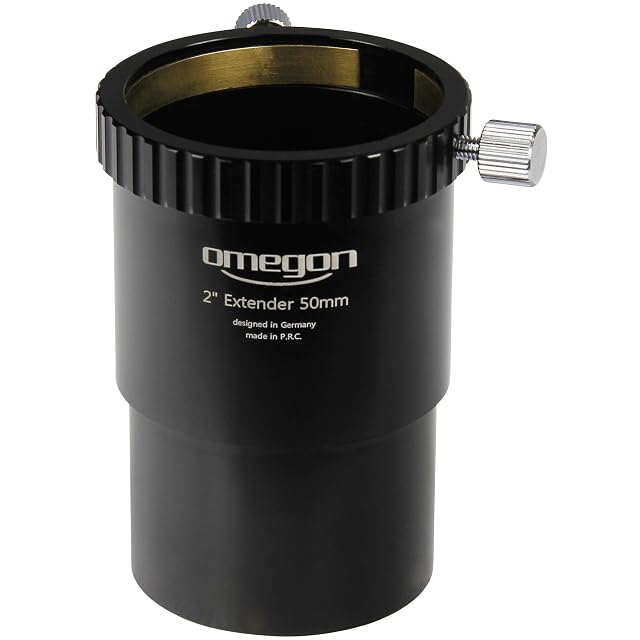
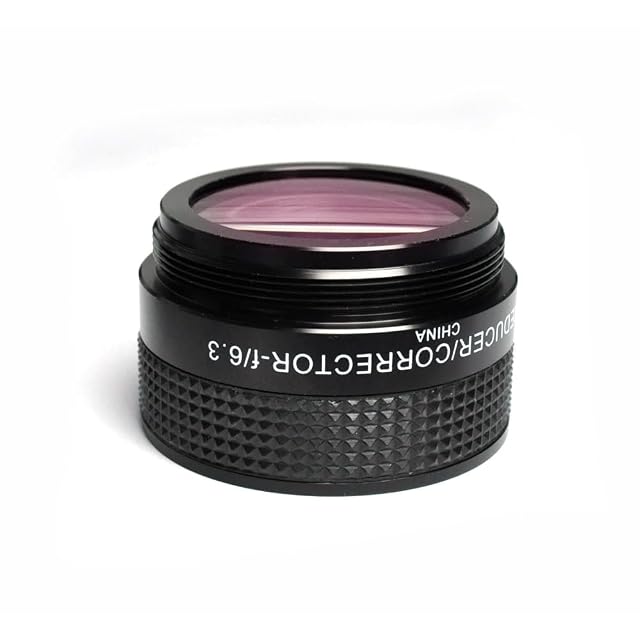
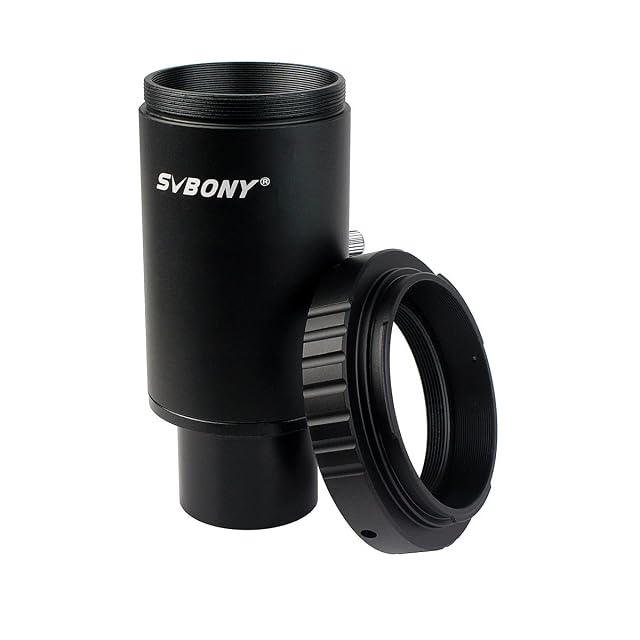
Telescope, then any reducer or corrector, then spacers, then the T-ring, then the camera. Each piece adds length, and the total has to land within the telescope’s focus travel.

The threads to know

T2 is M42 × 0.75. M48 is the wider standard used where a larger sensor would otherwise be vignetted. The 1.25 in and 2 in figures describe barrels, not threads, and the two systems are joined by adapters rather than converted.

Prime focus or projection

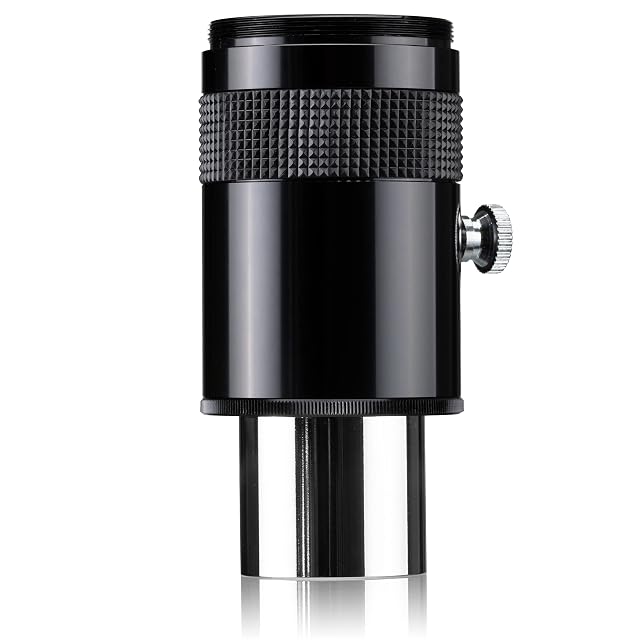
At prime focus the telescope is the lens and there is no eyepiece in the path. In eyepiece projection an eyepiece enlarges the image before the sensor, which raises magnification and lowers brightness sharply.

The figure to look for

Required spacing. Where a reducer publishes it, this site prints it; where it does not — and one on this site does not — the page says so, because a reducer with an unknown spacing requirement is a trial-and-error purchase.
The five, and the reason for the order

What gets asked before buying

What is a T-ring?

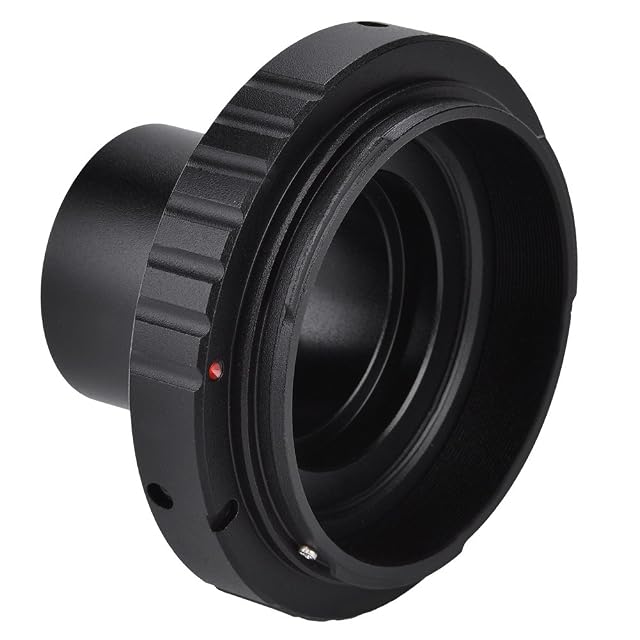
The piece that converts the T2 thread — a 42 mm thread with a 0.75 mm pitch — to a specific camera bayonet. It is camera-specific, and it is the only part of the train that is.

Is M42 the same as T2?

The diameter is, the pitch usually is not. T2 is M42 × 0.75; the old M42 screw mount is M42 × 1. They start to thread together and then bind, which is how the mistake is discovered.

What is back focus and why does it stop everything?

It is the distance from the last optical surface to the sensor. A telescope has a limited range of it, and a reducer or corrector usually requires an exact figure — miss it and the corners never come to focus.

Any figure written into the body of this page was true on the day it was written. The amount shown next to each instrument is requested from the retailer as the page loads, and it is that amount, not the text, that stands.

The tool we use ourselves

Chosen your instrument? Now do not pay over the odds.

Telescopes and mounts are discounted over and over through the year — hardest of all in the weeks before Christmas, which is exactly when most of them are bought — and a struck-through figure on its own says nothing whatever about what the same model was charged at four weeks ago. UniverTrack keeps a week-by-week record for each retailer, so a discount is measured against a figure somebody genuinely paid instead of one invented for the sale — and it says when the moment to buy has genuinely arrived.

Real price historyBuy-now alertsAI buying assistant
Try free for 14 days →
No commitment · Cancel in one click · 5 languages