Skip to content

The adjustment that makes a reflector sharp

A reflector whose mirrors are not aligned will not bring a star to a point at any magnification, and no eyepiece will fix it. Collimation is the adjustment that aligns them, and the tools divide cleanly by what question they answer.

What is being aligned

Two mirrors and a focuser. The secondary has to sit centred under the focuser and point at the primary; the primary has to send the beam back up the axis. Both are adjusted with screws, usually three.

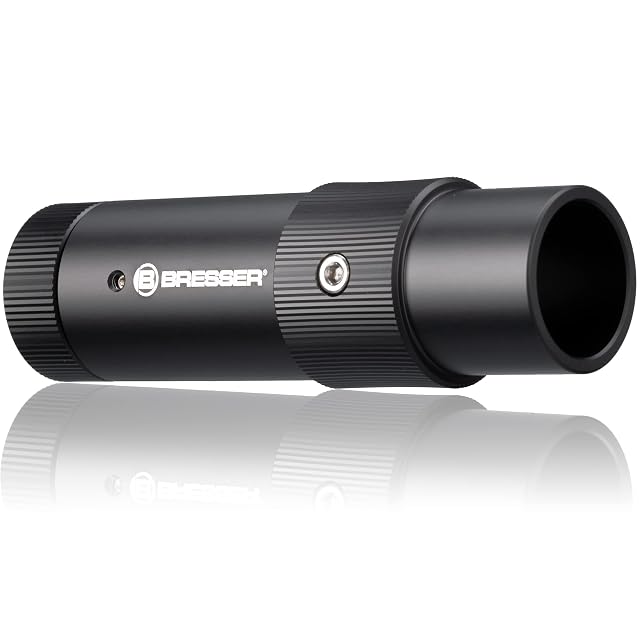
A laser is not self-aligning

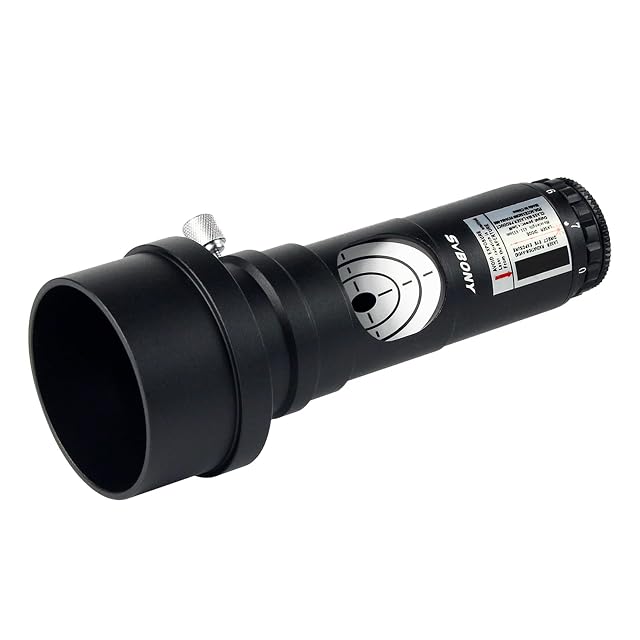
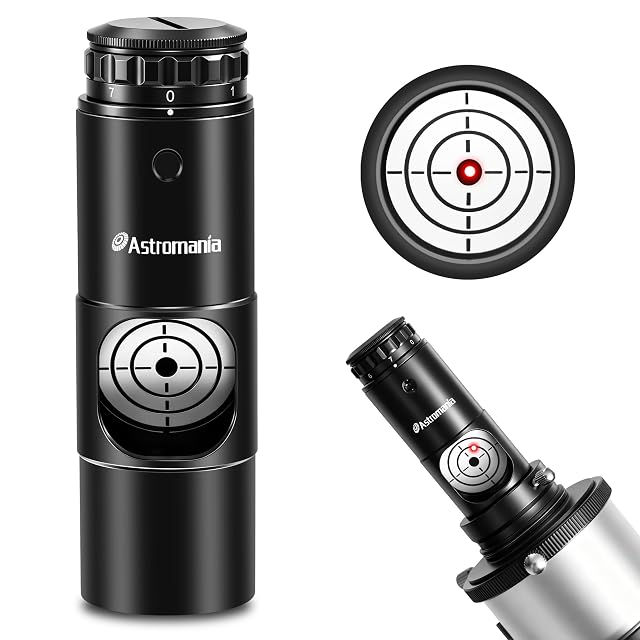
A laser collimator that is itself out of alignment in its barrel will confidently point the telescope wrong. Where a listing states that the collimator can be adjusted in its own housing, this site reports it — it is the difference between a tool that can be trusted and one that has to be checked.

How often

After transport, after a collapsible tube is extended, and whenever a defocused star looks lopsided. A well-made Newtonian holds its alignment for weeks in a fixed setup and loses it in a car boot.

Focus is the other suspect

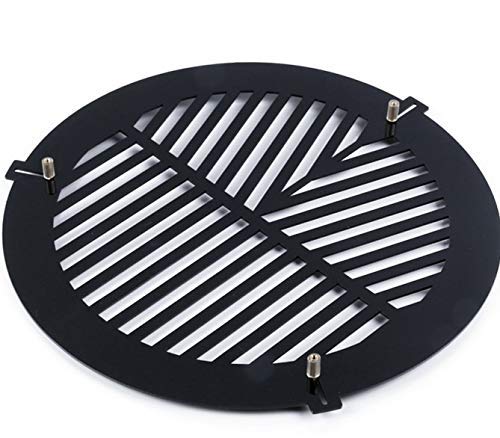
A soft image is blamed on collimation far more often than it deserves. A diffraction mask makes the point of focus unambiguous, and it costs less than any collimator on this shelf.

The five, and the reason for the order

What gets asked before buying

How do I know it needs collimating?

Defocus a bright star slightly at high magnification. The rings should be concentric; if the pattern is lopsided, the mirrors are out of alignment.

Laser or sighting tube?

A sighting tube shows whether the secondary is centred under the focuser; a laser shows where the beam lands on the primary and returns. They answer different halves of the same question, which is why several observers own both.

Does a Bahtinov mask collimate anything?

No. It is a focusing aid: its diffraction pattern makes the exact point of focus visible. It is on this list because focus and collimation are the two things blamed for a soft image, and only one of them is adjusted with screws.

Any figure written into the body of this page was true on the day it was written. The amount shown next to each instrument is requested from the retailer as the page loads, and it is that amount, not the text, that stands.

The tool we use ourselves

Chosen your instrument? Now do not pay over the odds.

Telescopes and mounts are discounted over and over through the year — hardest of all in the weeks before Christmas, which is exactly when most of them are bought — and a struck-through figure on its own says nothing whatever about what the same model was charged at four weeks ago. UniverTrack keeps a week-by-week record for each retailer, so a discount is measured against a figure somebody genuinely paid instead of one invented for the sale — and it says when the moment to buy has genuinely arrived.

Real price historyBuy-now alertsAI buying assistant
Try free for 14 days →
No commitment · Cancel in one click · 5 languages